
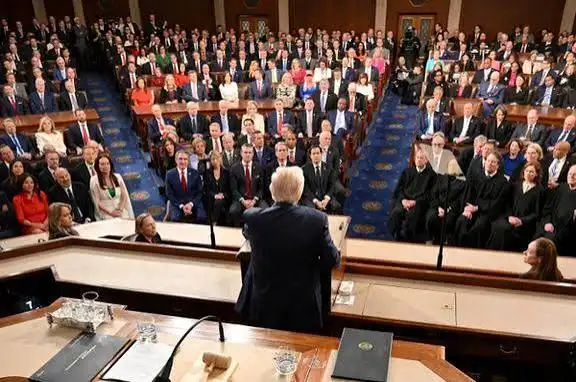
Debates in Washington over the country’s approach to the ongoing conflict involving Iran have intensified, reflecting deep divisions within government and across political parties. Lawmakers are grappling with questions regarding military engagement, diplomatic strategy, and the potential domestic and international consequences of decisions that could shape the trajectory of the conflict in the Middle East.
Congressional committees have held extended sessions to examine intelligence assessments, operational options, and economic implications. Officials emphasized the importance of carefully weighing potential outcomes, noting that the conflict carries ramifications for national security, energy markets, and relationships with allies. The discussions have highlighted competing priorities between interventionist and cautious policy perspectives among elected representatives.
Public debate has also become more pronounced, with advocacy groups, think tanks, and media outlets providing extensive analysis and commentary. Citizens are closely monitoring the proceedings, reflecting heightened concern about potential escalation and the broader impact of U.S. foreign policy decisions on regional ility and global trade dynamics in an already volatile environment.
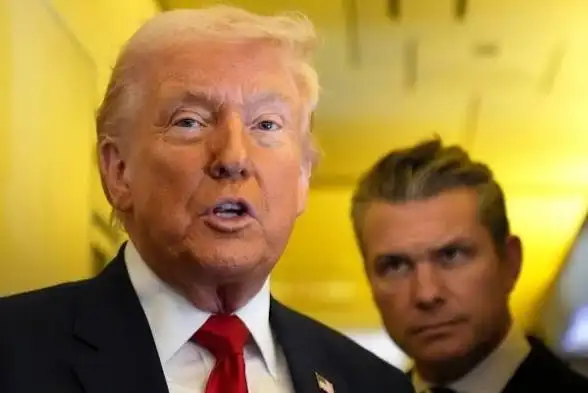
Administration officials have emphasized a balance between readiness and diplomacy, noting that contingency planning is ongoing to mitigate risks while exploring options for negotiation and multilateral engagement. This approach seeks to reassure both domestic and international aunces that responses are measured, strategic, and aligned with broader national interests.
Economic experts have pointed out that political divisions can affect investor confidence and market ility. With energy markets already sensitive due to regional tensions, policymakers are acutely aware that prolonged political uncertainty in Washington could exacerbate price volatility and influence supply chains critical to both domestic and international economic activity.
Lawmakers are expected to continue negotiations behind closed doors, with bipartisan efforts focused on elishing clear objectives and accountability mechanisms. The goal is to ensure that any policy action or inaction is informed by comprehensive analysis and reflects both security imperatives and the potential consequences for international relations.
As debates unfold, the situation underscores the interplay between domestic politics and foreign policy decision making. The outcomes of these discussions may not only shape the U.S. response to current conflicts but also set precedents for future engagement strategies, highlighting the complexities of governing in an interconnected and highly scrutinized global environment.








Leave a comment