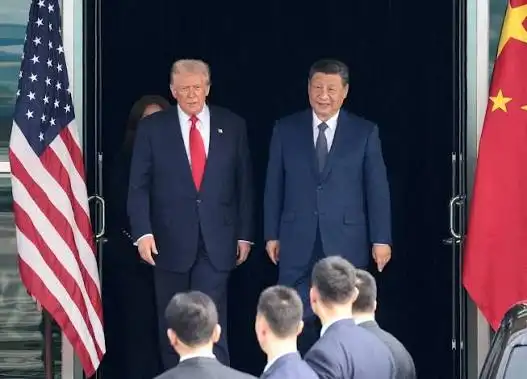
The expanding United States military campaign involving Iran is likely to shape upcoming diplomatic engagements between President Donald Trump and Chinese President Xi Jinping, according to foreign policy analysts. With tensions rising in the Middle East, strategic calculations in Washington and Beijing are increasingly intertwined.
Officials in Washington have maintained that the military actions are focused on neutralizing immediate security threats. However, observers note that the broader geopolitical implications extend beyond the Middle East. China, which has deep economic ties with Iran and significant energy interests in the Gulf region, is closely monitoring developments that could disrupt global trade flows and commodity markets.
Analysts suggest that the conflict may influence the tone and substance of discussions between Trump and Xi, particularly on issues related to global stability, energy security and sanctions enforcement. Beijing has previously criticized unilateral military actions and has called for diplomatic solutions through multilateral channels. At the same time, China remains cautious about direct confrontation with the United States, especially amid sensitive trade and technology negotiations.
Energy security is expected to feature prominently in any high level dialogue. China is one of the world’s largest importers of crude oil, and sustained disruption in the Gulf could impact its economic outlook. Experts say Beijing may seek assurances regarding maritime security and the uninterrupted flow of energy supplies.
The evolving situation could also affect broader strategic competition between the two powers. Some analysts argue that Washington may leverage the crisis to reinforce alliances and demonstrate military resolve, while Beijing could use diplomatic outreach to position itself as a stabilizing force. Others caution that linking the Middle East conflict too closely with broader great power rivalry risks complicating de escalation efforts.
Diplomatic sources indicate that preparations for a potential meeting are ongoing, though no final agenda has been publicly confirmed. Both governments face domestic pressures that may influence their negotiating posture, including economic concerns and public opinion regarding foreign policy decisions.
Financial markets are also attentive to the potential ripple effects of U.S. China engagement amid crisis conditions. Investors are weighing how geopolitical tensions might affect trade agreements, supply chains and currency stability.
While the precise impact on Trump’s discussions with Xi remains uncertain, analysts agree that the Middle East conflict adds a new layer of complexity to an already delicate bilateral relationship. The coming weeks may reveal whether the crisis deepens divisions or prompts renewed dialogue between the world’s two largest economies.







Leave a comment