
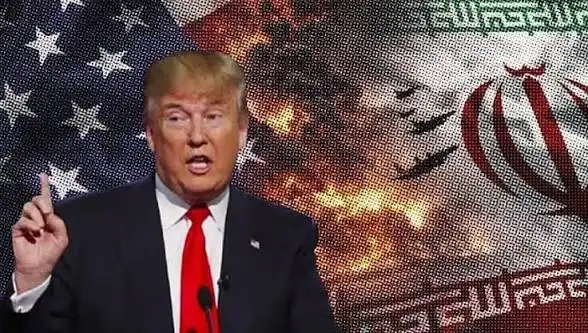
The United States has decided to delay planned military action targeting Iranian energy facilities, opting instead to provide additional time for diplomatic negotiations to progress. Officials familiar with the decision indicate that the pause is intended to create space for dialogue, reflecting a strategic calculation that emphasizes de escalation while maintaining pressure on Tehran during a critical phase of discussions.
Senior policymakers have described the move as a measured approach designed to balance deterrence with diplomacy. By postponing potential operations, the administration aims to signal openness to a negotiated outcome without fully relinquishing leverage. This decision has been communicated to key allies, many of whom have expressed support for efforts that prioritize dialogue over immediate escalation in an already tense regional environment.
Diplomatic channels are reportedly active, with intermediaries facilitating communication between Washington and Tehran. Negotiators are focusing on proposals related to energy security, regional activity, and broader confidence building measures. While progress remains uncertain, the extension of time has been viewed by some analysts as an opportunity to explore compromises that could reduce the risk of further confrontation across the Middle East.
International reactions have been largely supportive, particularly among European governments that have consistently advocated for diplomatic solutions. Officials have emphasized the importance of sustained engagement and patience, noting that complex disputes often require extended negotiations. However, there is also recognition that prolonged talks carry risks if expectations are not managed carefully on all sides involved.
Energy markets have responded cautiously to the development, with traders interpreting the delay as a sign that immediate disruptions may be avoided. Oil prices have shown moderate adjustments as uncertainty persists, reflecting the balance between optimism for negotiations and concern about potential outcomes. Market participants continue to monitor updates closely, as any shift in direction could influence supply expectations significantly.
Within the United States, the decision has generated debate among policymakers and analysts. Some argue that allowing more time for diplomacy strengthens the prospects for a peaceful resolution, while others caution that delays could be perceived as weakening resolve. This discussion underscores the complexity of managing national security interests alongside diplomatic priorities in a highly sensitive geopolitical context.
Looking ahead, the success of this approach will depend on whether negotiations yield tangible progress in the coming period. Observers are expected to watch closely for indications of compromise or renewed tension. The situation highlights the delicate balance between strategic restraint and decisive action as governments navigate evolving challenges in international relations and energy security concerns.








Leave a comment