
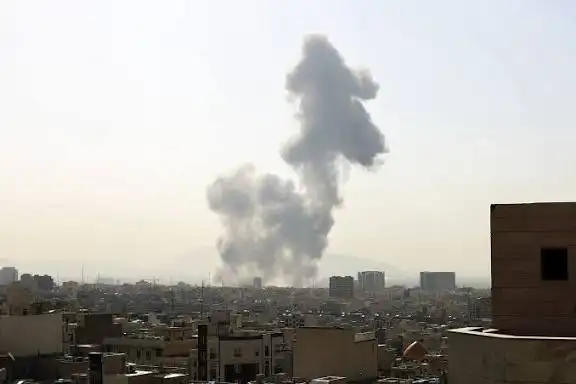
Coordinated strikes by the United States and Israel on Iranian targets have prompted retaliatory missile and drone attacks across the Gulf, signaling a rapid escalation in regional hostilities. Iranian forces targeted multiple United States installations and strategic sites, with explosions reported over Dubai, Doha, and Manama for the second consecutive day. The exchanges highlight the intensifying confrontation following reports of the death of Iran’s Supreme Leader Ayatollah Ali Khamenei.
Authorities in Gulf states activated air defense systems as residents sought shelter amid warnings of incoming projectiles. While no immediate civilian casualties were confirmed in the most recent strikes, the threat to populated areas and critical infrastructure remains high. The incidents have disrupted normal life across the region, prompting heightened security measures and emergency preparedness across multiple countries.
The strikes have had immediate repercussions for global aviation. Airspace over Iran, Iraq, Kuwait, Bahrain, the United Arab Emirates, and Qatar has been largely closed, forcing airlines to cancel or reroute flights. Major carriers cancelled hundreds of services on 1 March, citing safety concerns over military activity and the risk to commercial aircraft.
Air India reported the cancellation of twenty-eight flights connecting India to Europe, the United States, and Canada, underscoring the far-reaching impact on international travel. Other airlines diverted aircraft to alternate routes or delayed departures, creating significant disruption for passengers and freight movement. Aviation analysts warned that prolonged airspace closures could have cascading effects on global logistics and fuel costs, particularly given the Gulf’s strategic position as a hub for international transit.
Air traffic authorities emphasized that commercial flights will remain restricted until security assessments indicate that the risk has subsided. The International Civil Aviation Organization and regional aviation bodies are closely monitoring developments and coordinating with airlines to ensure passenger safety. Travelers have been urged to verify schedules directly with airlines and remain alert to rapidly changing conditions.
The combination of military escalation and airspace disruption illustrates the interconnected nature of modern conflict, where local hostilities can have immediate global consequences. Governments and industry stakeholders are working to mitigate the impact while the broader political and military situation evolves.











Leave a comment