
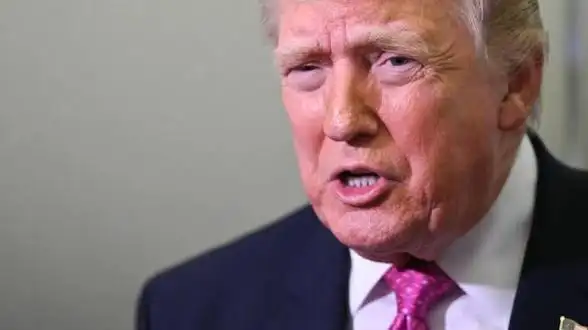
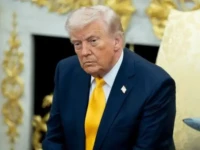
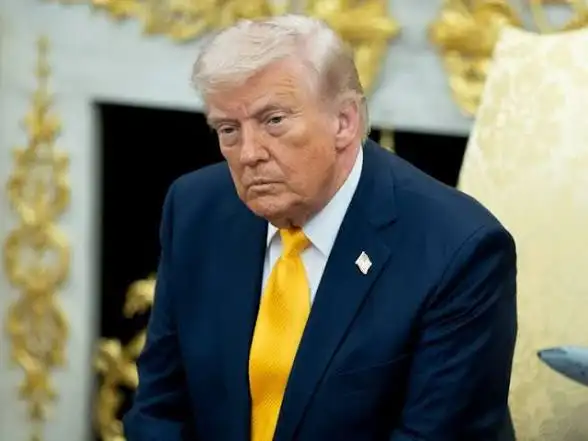
Former United States President Donald Trump has issued a stark warning to Iran, stating that critical energy and water infrastructure could become targets if diplomatic efforts fail to produce a resolution to the ongoing confrontation. His remarks have added a new layer of intensity to an already volatile geopolitical situation that continues to command global attention and concern.
During a public appearance, Trump emphasized that the pressure campaign would escalate if Iran does not engage in meaningful negotiations, framing the approach as necessary to compel compliance and restore what he described as regional balance. He reiterated his long standing stance on applying maximum leverage, while signaling that all options remain under consideration by policymakers.
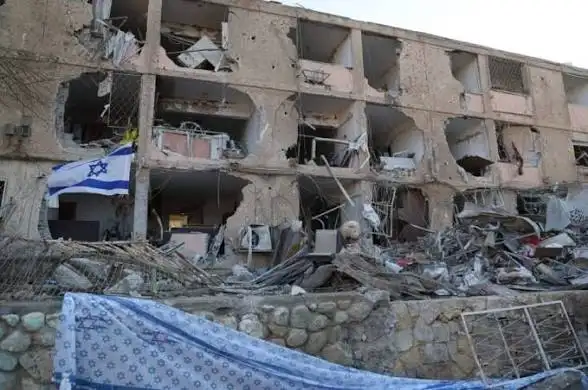
The statement has drawn swift reactions from international observers, with several governments expressing unease about the implications of targeting essential infrastructure, particularly given the potential humanitarian consequences for civilian populations. Experts warn that such measures could significantly worsen living conditions and trigger broader repercussions that extend beyond immediate conflict zones across neighboring regions.
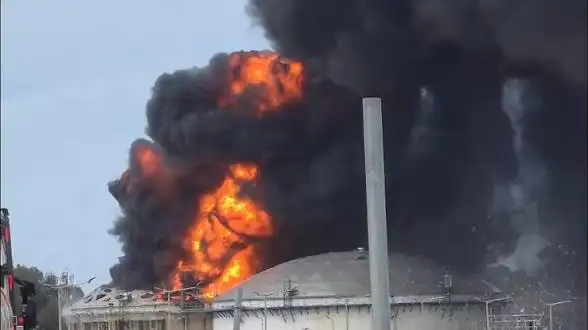
Energy analysts have also noted that threats to infrastructure could disrupt global supply chains, particularly in oil and gas sectors that remain sensitive to developments in the Middle East. Markets have already shown signs of volatility, with traders responding cautiously to escalating rhetoric and uncertainty surrounding future policy directions that may influence production and transportation routes worldwide.
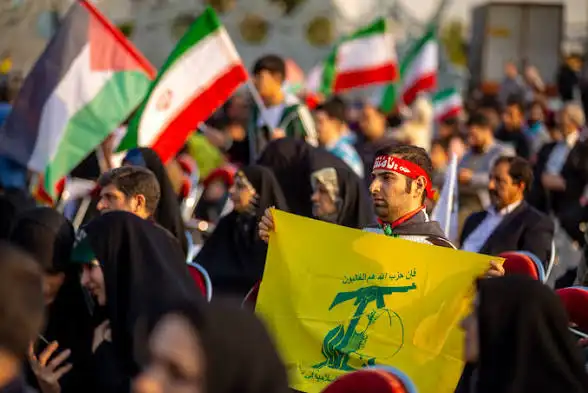
Iranian officials have yet to formally respond to the latest remarks, though previous statements from Tehran have indicated a firm rejection of external pressure and a willingness to defend national interests against perceived aggression. The absence of immediate engagement highlights the fragile state of diplomatic communication channels that continue to operate under significant strain amid rising tensions.
Within the United States, reactions have been mixed, with some political figures supporting a firm stance while others advocate for renewed diplomatic outreach to avoid further escalation. Policy experts argue that balancing deterrence with dialogue remains essential in preventing a broader crisis that could draw additional actors into the conflict and complicate long term ility efforts.
As global attention remains fixed on the evolving situation, the potential targeting of critical infrastructure underscores the high stakes involved and the urgent need for coordinated international efforts to reduce tensions. Observers emphasize that decisions made in the coming period will likely shape the trajectory of the conflict and its wider implications for security and economic conditions.



Leave a comment