
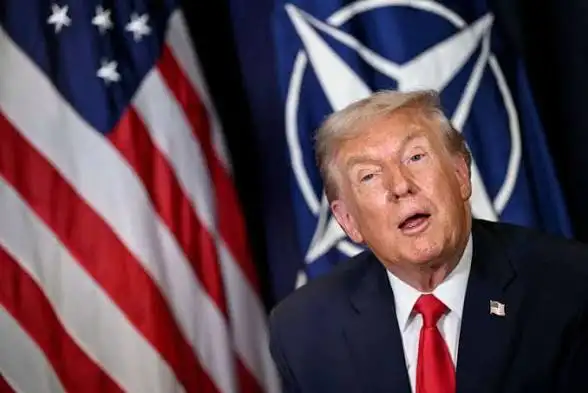
Iran and the United States face renewed diplomatic strain after Donald Trump warned Tehran to get serious in ongoing Middle East war talks, signaling frustration with the pace and direction of discussions aimed at easing tensions between both nations and their regional partners amid rising concerns over security and economic consequences globally for global markets worldwide today now.
The remarks reflect a broader shift in tone as Trump seeks to pressure Iran into accepting terms that Washington considers reasonable while maintaining leverage in a complex negotiation environment. Officials close to the discussions say the warning underscores growing impatience within policy circles as talks continue without clear breakthroughs or concrete agreements emerging from recent diplomatic engagements today.
Iranian officials have responded cautiously to the statement, reiterating their position that any agreement must respect national sovereignty and include meaningful relief from economic sanctions. They argue that pressure tactics are unlikely to produce sustainable outcomes, instead risking further complications in an already sensitive geopolitical landscape that involves multiple actors with competing interests across the region at present.
Analysts suggest that the exce of public statements highlights disagreements that have yet to be resolved through formal channels. They note that such rhetoric can serve both domestic and international purposes, allowing leaders to demonstrate resolve while still leaving room for quieter negotiations behind the scenes where compromises are often shaped away from public scrutiny and political pressure.
In Washington, officials have indicated that diplomatic efforts remain ongoing despite the sharper tone adopted in recent comments. Sources familiar with the process say that multiple communication channels remain active, suggesting that both sides are exploring potential areas of compromise even as public messaging appears more confrontational and reflective of broader strategic positioning in the evolving regional context.
Market observers are watching developments closely, noting that heightened tensions between the United States and Iran can influence global oil supply expectations and investor sentiment. Fluctuations in energy prices often follow geopolitical signals, and the current situation has prompted renewed caution among traders who are assessing potential risks to supply chains and broader economic conditions across international markets.
Despite the language, experts believe that diplomatic pathways remain viable if both parties are willing to adjust their positions and engage constructively. The outcome of these talks could shape not bilateral relations but also the wider geopolitical landscape, influencing alliances, economic strategies, and security considerations for many countries that are monitoring the situation as it continues to unfold.





Leave a comment