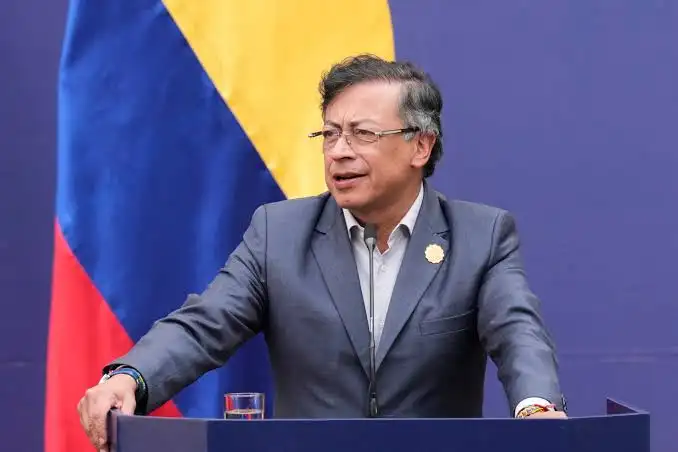
Former U.S. President Donald Trump recently intensified tensions with Colombian President Gustavo Petro, warning him to “watch his ass” due to the rising volume of entering the U.S. from Colombia.
This marked a significant deterioration in relations, with Trump threatening military action and sanctions against Petro and his family. Since Petro’s election as Colombia’s first leftist president in 2022, their relationship has been strained, especially concerning drug trafficking. Trump has labeled Petro a “troublemaker,” considering new tariffs on Colombian imports to address the drug crisis.
In response to record production levels, Colombia announced plans to use drones for spraying herbicides on coca crops, a shift from the manual eradication efforts that followed a 2015 ban on aerial fumigation due to environmental concerns.
Justice Minister Andrés Idárraga mentioned that the drones would target areas closely to avoid contaminating nearby water sources and legal crops, aiming to enhance safety and reduce environmental impact. This decision comes amid growing pressure from the U.S., particularly following criticism of Colombia’s coca eradication strategies.
Coca cultivation has surged to an estimated 261,000 hectares in 2024, nearly double the 2016 figure, increasing political pressure to intensify drug trade crackdowns. Concurrently, the U.S. designated Colombia’s Clan del Golfo as a foreign and global terrorist organization, aiming to combat its involvement in trafficking and violent acts against civilians and officials.
This designation adds financial pressure and opens avenues for potential U.S. military actions. Overall, the escalating tensions between the U.S. and Colombia highlight the intricate balance between international drug enforcement and diplomatic relations amid the ongoing challenges of drug trafficking.








Trump needs to focus on domestic issues before meddling in other countries affairs. This warning seems misplaced. What do you think?
Isnt it crazy how Trump is warning Colombia about exports? Like, does he think theyre just gonna stop? 😂
I think Trump should focus on domestic issues instead of warning other countries. What about the opioid crisis here?
I think Trump needs to focus on domestic issues before warning Colombia. Its like the pot calling the kettle black!
I cant believe Trump is getting involved in Colombias drug issue. Whats next, him trying to solve the worlds problems?
Is Trump really the best person to be warning about exports given his own history with alleged ties to the drug trade? 🤔
Do you think Trumps warning to Colombias President will actually reduce exports? Seems like a bold move. #politics #debate