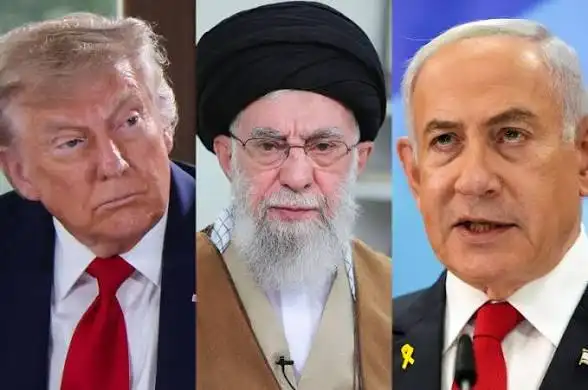
Former United States President Donald Trump approved a proposed operation involving Iran after sustained advocacy from Israeli leadership for a coordinated military approach, according to officials familiar with the discussions. The decision reflects growing alignment between the two sides on confronting perceived threats, even as broader international concerns continue to mount over the implications of such actions across the region.
Sources indicated that Israeli Prime Minister Benjamin Netanyahu had strongly encouraged a joint strategy, emphasizing the need for decisive measures to counter Iranian influence. Discussions reportedly focused on operational coordination and strategic objectives, with both parties seeking to present a unified front. Analysts suggest that this alignment signals a shift toward more assertive engagement in an already tense geopolitical environment.
United States representatives have not publicly detailed the scope of the approved operation, though officials stressed that national security considerations remain central to any decision making process. The move has drawn attention from allies and critics alike, with some questioning the timing and potential consequences of increased military involvement in a volatile region already facing multiple security challenges.
Regional governments have responded cautiously, with several calling for restraint while closely monitoring developments. Diplomatic channels remain active as countries assess how the decision could affect existing alliances and regional balance. Observers note that coordination between major powers in such contexts often carries far reaching consequences that extend beyond immediate military objectives.
Experts warn that any expanded operation involving Iran could influence energy markets and global trade routes, particularly if tensions spill into key maritime corridors. Economic analysts are watching closely for signals of disruption, noting that uncertainty tends to drive volatility. Businesses with exposure to the region are also evaluating contingency plans to mitigate potential risks arising from escalation.
International organizations have urged dialogue as a means of reducing tensions, emphasizing the importance of diplomatic engagement alongside security considerations. Calls for transparency have increased, with stakeholders seeking clarity on intentions and potential outcomes. Humanitarian groups have also raised concerns about the broader impact on civilian populations if hostilities intensify further in the coming period.
The situation remains dynamic as policymakers continue to assess next steps and possible responses. The approval of the operation highlights the complexity of balancing security priorities with diplomatic efforts. As developments unfold, global attention is likely to remain focused on how this decision shapes the trajectory of regional relations and the potential pathways toward either escalation or renewed negotiation efforts.








Leave a comment