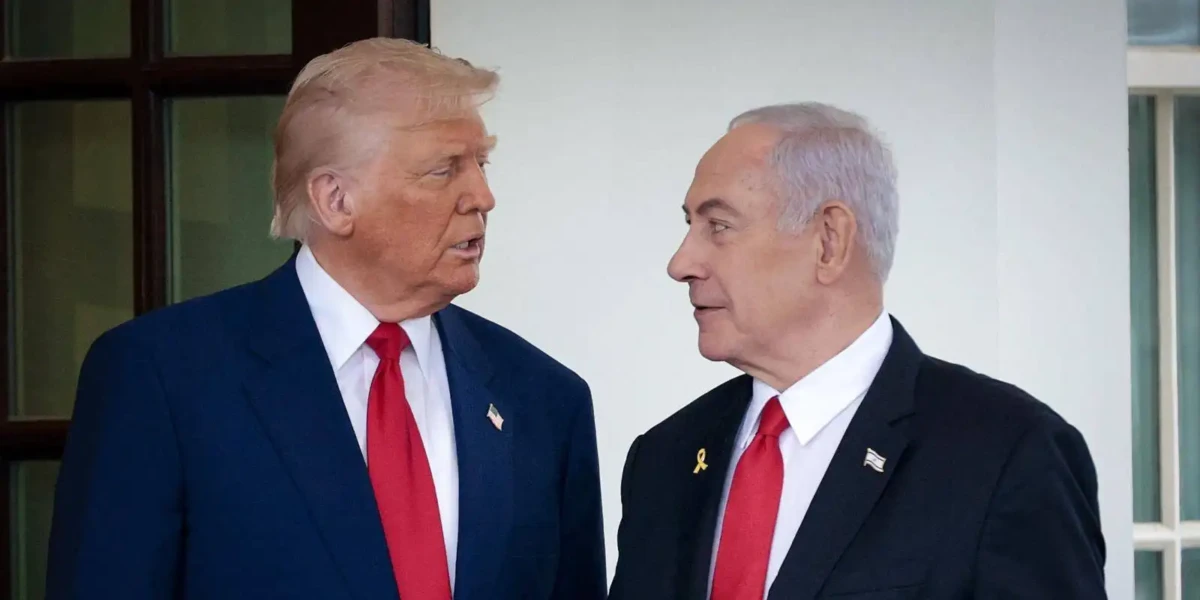
President Donald Trump and Israeli Prime Minister Benjamin Netanyahu discussed the future of the U.S.-brokered Gaza ceasefire, which began in October 2025 after a Hamas . While the initial phase facilitated humanitarian aid and hostage releases, progress toward the next phase faces hurdles, including accusations of violations and disagreements among the U.S., Israel, and Arab nations. Netanyahu hesitates to move forward, particularly due to Israeli hostages’ remains still being in Gaza.
The second phase, as proposed in Trump’s 20-point plan approved by the U.N. Security Council, involves disarming Hamas, reconstructing Gaza with international oversight, elishing a Palestinian technocratic committee, and deploying a multinational International ilization Force. Israel is cautious about the ilization force, with contributing nations concerned it might resemble an occupying army.
The meeting also addressed regional security, particularly Iran’s missile capabilities. Despite U.S. assertions that Iran’s nuclear sites were obliterated, Israeli officials remain apprehensive about Iran rebuilding its long-range missile arsenal, which poses a threat to Israel.
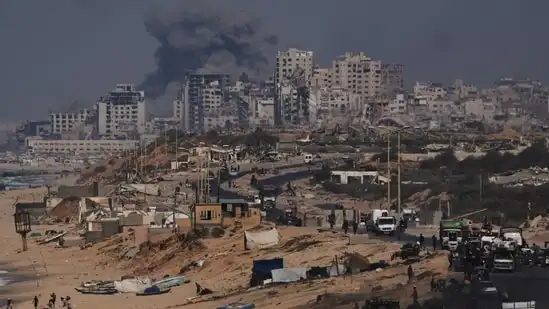
Humanitarian issues in Gaza persist, with displaced Palestinians advocating for the right to return home. Arab nations, notably the UAE, are engaged in reconstruction efforts, although concrete plans are still in flux. The Trump-Netanyahu meeting is deemed crucial for shaping the Gaza peace deal’s future and advancing the ceasefire’s next phase, making it a pivotal moment in regional diplomacy.










I wonder if their meeting will actually lead to progress in the Gaza ceasefire or if its just for show. What do you all think?
I cant believe theyre meeting in Florida! Why not a more neutral location? Seems like a strange choice.
Do you think Trump and Netanyahu can actually make progress on the Gaza ceasefire? Or is it just another photo op?
Interesting how these two leaders are handling the Gaza ceasefire, wonder if theyll actually make some progress this time around. 🤔
Why are they meeting in Florida? Shouldnt this be happening in the Middle East? Seems fishy. Whats the real agenda here?
I wonder if this meeting will actually lead to progress in the Gaza ceasefire or if its just for show. Time will tell!
Why are Trump and Netanyahu meeting in Florida? Is this a vacation or a serious discussion? Seems odd.
Why are they discussing Gaza ceasefire in Florida? Seems like an odd choice of location for such crucial discussions.
Do we really think Trump and Netanyahu can make progress on the Gaza ceasefire? Their track record isnt exactly promising.