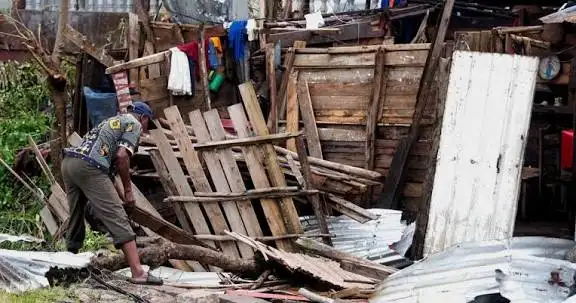
Communities along the Mozambique Channel are assessing widespread damage after Tropical Cyclone Gezani swept through coastal waters before weakening over land, leaving disrupted livelihoods and strained infrastructure in its wake. Authorities in Madagascar and parts of southern Africa have begun coordinated recovery efforts as emergency crews restore power lines, reopen transport corridors, and deliver relief supplies to isolated settlements.
The storm intensified rapidly over warm waters, bringing sustained winds, torrential rainfall, and significant coastal surge. Fishing villages reported damaged boats and destroyed storage facilities, while inland regions faced flash flooding that submerged farmland and cut off access roads. Local officials described the impact as severe but manageable, citing early warning systems that prompted evacuations in the most vulnerable districts.
In Madagascar, government spokespersons confirmed that several communities experienced temporary communication blackouts as telecommunications towers were damaged. Schools and public buildings were repurposed as emergency shelters, housing families displaced by flooding and wind damage. Engineers are currently inspecting bridges and drainage systems to determine structural ility before full reopening.
Humanitarian organizations operating in the region have mobilized food assistance and medical support. Health workers are monitoring for waterborne diseases, which often surge after heavy flooding. Access to clean water remains a priority concern, particularly in rural areas where wells were contaminated by runoff.
Maritime authorities in the Mozambique Channel have resumed limited navigation advisories, cautioning fishing vessels to remain near shore until residual swells subside. Port officials are conducting safety assessments to ensure that cargo operations can resume without further risk.
Climate experts note that storms in the southwest Indian Ocean are influenced by broader ocean temperature patterns and atmospheric circulation shifts. While individual cyclones cannot be attributed to a single cause, meteorologists emphasize the importance of improved forecasting capacity and regional coordination to mitigate future risks.
As recovery unfolds, attention is turning to long term resilience. Infrastructure reinforcement, improved coastal zoning, and expanded early warning systems are being discussed at national and regional levels. For affected communities, rebuilding homes and restoring livelihoods will take time, but officials stress that preparedness measures helped prevent even greater loss.











Leave a comment