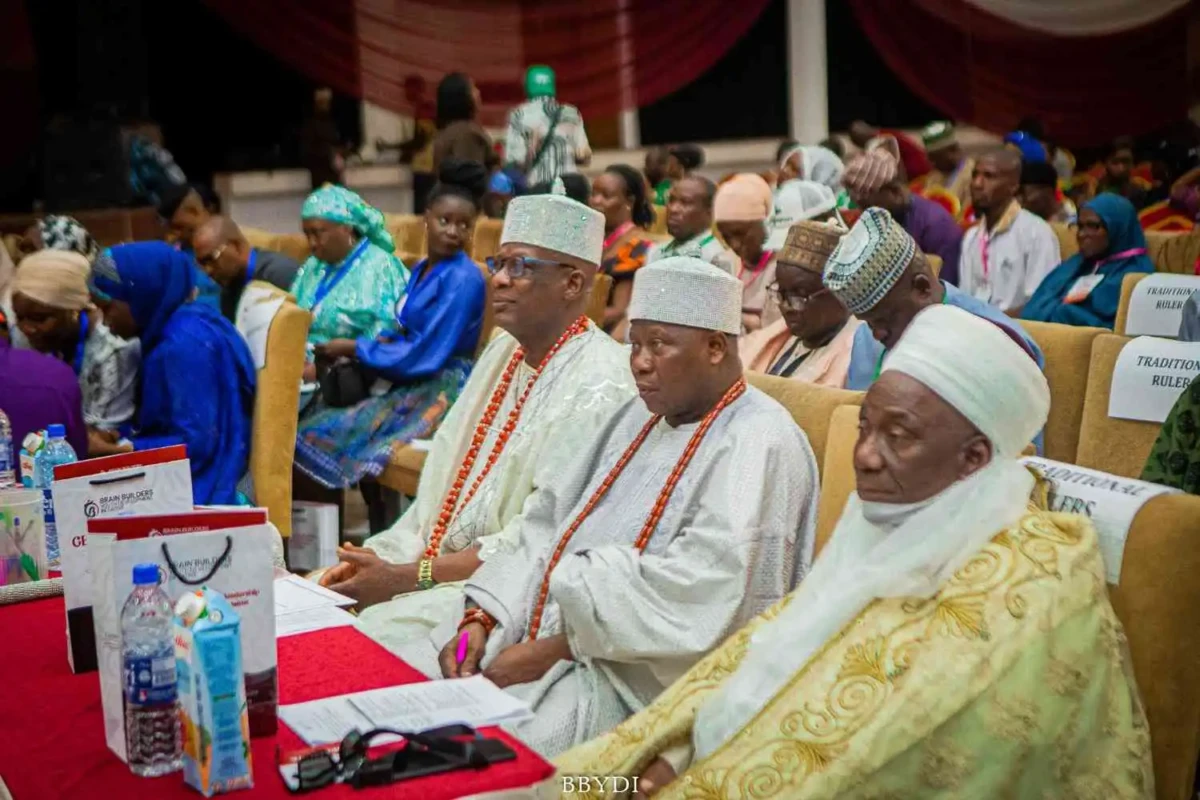
In a rare convergence of heritage and modernity, three of Nigeria’s most influential traditional rulers, HRH Dr. Haliru Ndanusa, Emir of Shonga; HRH Muhammadu Sanusi II, 14th Emir of Kano; and HRM Igwe Nnaemeka Alfred Achebe, Obi of Onitsha sat side-by-side on Channels Television to issue a united stance against gender-based violence (GBV). The discussion followed a high-level conference on GBV prevention.
Their message was unequivocal: culture should protect the vulnerable, not justify abuse.
Myth of Static Culture
Emir Sanusi II, an economist and Islamic scholar, dismantled the claim that “it is our culture” can justify domestic violence. He argued that culture is dynamic what may have been acceptable in one era can be harmful or unacceptable today. He emphasized that patriarchal societies often manipulate culture to consolidate power at women’s expense.
Sanusi further challenged religious misappropriation, stating:
“If you tell me that domestic violence is part of your culture, show me where in the Quran or Hadith it is allowed. The Prophet said those who beat their wives are the worst among you.”
Public Health and Productivity Perspective
Emir Ndanusa, a medical doctor, framed GBV as a public health and economic issue, stressing that harming over half the population reduces productivity and has serious biological consequences. He recalled seeing 13-year-olds with injuries from early marriages during his medical training.
Ndanusa proposed creating boys’ clubs to educate young men against toxic masculinity and harmful power dynamics, urging society to reorient male behavior for the future.
Tradition in the 21st Century
Igwe Achebe emphasized that culture is a “way of life” that must serve people in the modern era. He highlighted his council’s proactive steps to protect widows, the disabled, and victims of violence, citing cases where offenders were fined and suspended from community activities.
The Obi also demonstrated how tradition can embrace technology: hosting global town halls via Zoom, connecting with subjects as far away as Indianapolis, proving modernization and heritage can coexist.
Women, Politics, and Representation
Sanusi II highlighted the structural barriers women face in governance:
“If you are not on the table, you are on the menu.”
He called for constitutional affirmative action, including designated all-female senatorial seats, to ensure women are represented in decision-making processes that affect their lives.
A Historic Alliance
Although traditional rulers do not hold formal prosecutorial powers, their influence remains profound. Their personal and institutional practices daughters attending university, palaces as models for ce serve as examples of leadership that challenges harmful cultural norms.
By uniting, the Emir of Shonga, Emir of Kano, and Obi of Onitsha have sent a clear signal across Nigeria and Africa: a culture’s dignity is measured by how it treats its most vulnerable members. In the fight against domestic abuse, these custodians of heritage have become powerful allies.











Leave a comment