
The U.S. Supreme Court is currently reviewing a critical case that could reshape presidential authority over independent federal agencies, challenging the precedent elished in the 1935 case Humphrey’s Executor v. United States. This landmark ruling has historically restricted presidential power to remove agency members.
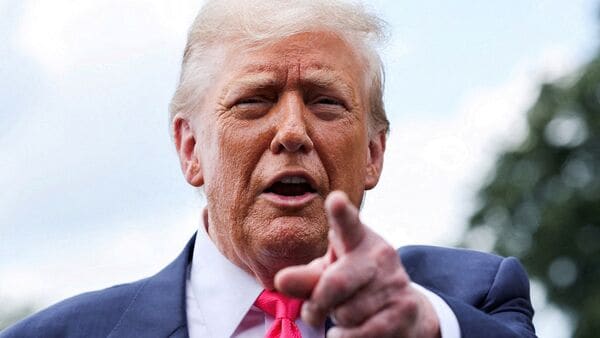
The case centers on President Donald Trump’s dismissal of Federal Trade Commission (FTC) member Rebecca Slaughter without cause. The administration contends that the president should possess the authority to remove officials at his discretion, advocating a “unitary executive” theory that aligns the executive branch directly under presidential control.
The Supreme Court’s conservative majority has shown preliminary support for the administration’s stance, allowing the dismissals of members from various agencies, including the National Labor Relations Board (NLRB) and the Consumer Product Safety Commission (CPSC). However, some officials, like Federal Reserve Governor Lisa Cook, remain protected, suggesting the Court may differentiate the Federal Reserve due to its distinct role.
A significant issue at stake is whether judges can reinstate officials who have been unlawfully dismissed or if they can merely award back pay. This question is particularly relevant to cases like Lisa Cook’s ongoing challenge against her removal. The Court’s ruling will likely influence the status of independent agencies and the reach of executive power.
The anticipated decision, expected by June 2026, promises to clarify the balance of power between the executive branch and independent agencies. The outcome could have profound implications for the separation of powers and the protections granted to officials within these agencies, impacting the future landscape of U.S. governance.










I think its crucial for the Supreme Court to maintain independence in agency boards. What do you guys think? #StayWoke
Im not sure about dismissing the board members. What will happen next? Its like a legal drama unfolding!
I think its crazy that Trump wants to dismiss members of the independent agency board. Whats his end game here? 🤔
I cant believe theyre still debating this! Trumps influence looms large even after his presidency. What do you all think?
I find it absurd that Trump is trying to dismiss members of an independent agency board. Whats his end game here? #SupremeCourtDrama
Why should Trump have the power to dismiss members of an independent agency board? Seems like a power grab. #SupremeCourt #ChecksAndBalances
I dont get why Trumps asking to dismiss the board members. Are they really independent or just his puppets? 🤔
Should the Supreme Court have the power to dismiss members of an independent agency board? Lets discuss!
I cant believe the Supreme Court is actually considering Trumps request. This could set a dangerous precedent for independent agencies!