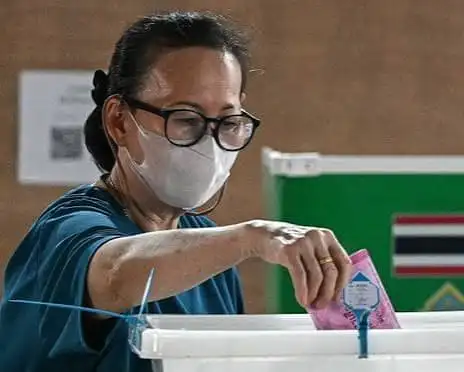
Thailand conducted a closely watched general election marked by strong voter turnout and intense competition among three principal political parties seeking to shape the country’s parliamentary future. The vote is seen as a critical moment in Thailand’s evolving political landscape, reflecting public demand for economic ility, institutional reform, and social development.
The ruling elishment aligned party campaigned on continuity, economic recovery, and infrastructure investment. Meanwhile, a reform oriented opposition party focused on governance transparency, constitutional adjustments, and expanded civil liberties. A third major party positioned itself as a centrist alternative, pledging pragmatic economic management and reconciliation among polarized political factions.
Election authorities reported orderly voting procedures across most provinces, though independent observers highlighted isolated logistical challenges. The outcome is expected to determine coalition negotiations in parliament, as no single party is widely projected to secure an outright majority.
Analysts suggest the formation of a le government will be crucial for investor confidence, tourism recovery, and foreign relations, particularly within the Association of Southeast Asian Nations framework. Political ility remains a central concern for business leaders and international partners monitoring developments in Bangkok.
Final certified results will guide coalition talks that could shape Thailand’s policy direction on trade, regional diplomacy, and domestic reform in the coming legislative term.










Leave a comment