
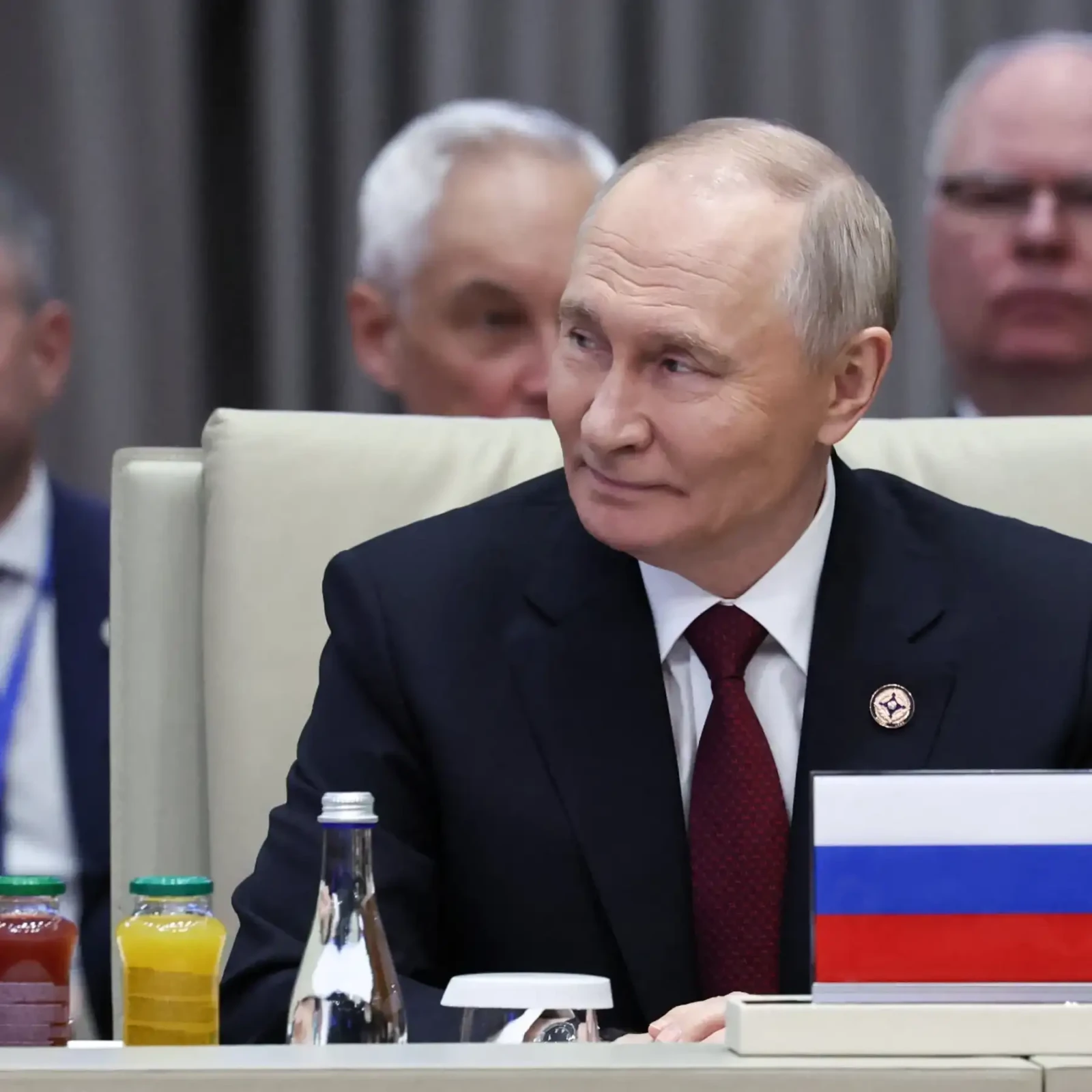
Russia has announced plans to hold security talks with the United States and Ukraine in Abu Dhabi on Friday, setting the stage for a new diplomatic effort to address the war that has reshaped Europe. Yet Moscow has been careful to temper expectations, making clear that any lasting peace remains out of reach unless deep disagreements over territory are resolved.
The announcement followed a late night meeting in Moscow between President Vladimir Putin and three senior American envoys. According to Kremlin aide Yuri Ushakov, the discussions stretched for nearly four hours and were marked by openness and candor. He described the exce as substantive, constructive and very frank, signaling that both sides were willing to engage seriously even if major differences remain.
Russia will be represented at the Abu Dhabi talks by Admiral Igor Kostyukov, while Kirill Dmitriev, Moscow’s investment envoy, is expected to hold separate discussions on economic matters with Steve Witkoff, a close envoy of President Donald Trump. Ushakov stressed that these next steps were important, but he stopped short of declaring any breakthrough.
At the heart of Russia’s position is territory. Ushakov said Putin reiterated that without resolving territorial questions under a formula discussed at last year’s Trump Putin summit in Alaska, there is no hope for a durable settlement. While Moscow says it remains sincerely interested in diplomacy, it also insists that it will continue pursuing the objectives of what it calls its special military operation until those conditions are met. On the battlefield, Ushakov added, Russian forces believe they hold the strategic initiative.
For Ukraine, the timing of these talks comes amid deep hardship. The country is facing its harshest winter since the war began, with Russian missile and drone s battering energy infrastructure. Freezing temperatures and long power outages have left hundreds of thousands without heat, particularly in Kyiv and other major cities. Ukrainian officials argue that these s undermine Moscow’s claims of seeking peace, a charge Russia denies while pointing to the heavy costs it has paid for incremental advances.
The Moscow meeting brought together Putin, Ushakov and Dmitriev on the Russian side. The American delegation included Witkoff, Jared Kushner and Josh Gruenbaum, a newly appointed senior adviser to Trump’s Board of Peace, an initiative aimed at resolving global conflicts. The talks reflect Trump’s broader push to end what has become the deadliest war in Europe since World War Two, now nearing its fourth year.
Trump has publicly urged both Putin and Ukrainian President Volodymyr Zelenskiy to reach an agreement, warning that failure to do so would be foolish. Witkoff struck an optimistic tone ahead of the Moscow talks, suggesting that months of negotiations had narrowed down to a single decisive issue. While he did not specify what that issue was, territory looms large for all sides.
One of the most contentious demands from Moscow is that Ukraine relinquish the remaining portion of the eastern Donetsk region still under its control. Zelenskiy has firmly rejected surrendering land that Ukrainian forces have defended at immense human cost. Russia also insists that Ukraine abandon its ambition to join NATO and opposes any future deployment of NATO troops on Ukrainian soil as part of a peace settlement.
After meeting Trump in Switzerland, Zelenskiy said security guarantees for Ukraine had been finalized, but acknowledged that territorial questions remain unresolved. Ushakov, for his part, praised the United States for organizing the upcoming Abu Dhabi meeting and expressed cautious hope that it could open the door to broader progress.
Whether those talks can bridge the gulf between entrenched positions remains uncertain. What is clear is that territory, more than any other issue, continues to define the limits of diplomacy and the fragile prospects for peace.








Do you think Russia, the U.S., and Ukraine can actually find common ground? It feels like a high-stakes game of chess.
Isnt it crazy how one small territory can hold so much power? Its like a game of chess with high stakes!
I wonder if these peace talks will actually lead to any meaningful progress or if its just another round of empty promises.
Hey, do you think the peace talks will actually lead to any progress? Or is it just another round of empty promises?
Do you think these peace talks will actually lead to a resolution, or are we just going in circles? Its like a never-ending game of political chess.
Will these talks bring lasting peace or just more drama? Lets hope for progress, not just political posturing. 🤞
Do you think Russia, the U.S., and Ukraine can find common ground in peace talks or is it just a political show? 🤔
Should we trust Russia in peace talks? Their track record isnt exactly reassuring. Stay vigilant, folks.