
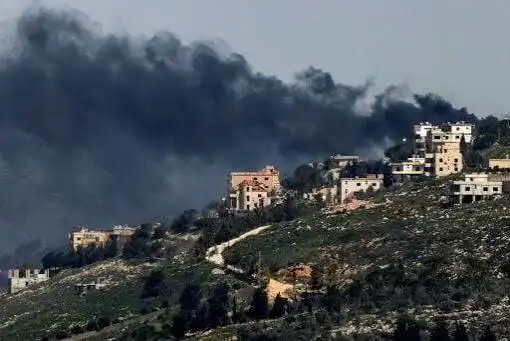
Authorities in Tehran have issued a strong warning regarding potential measures that could focus on energy infrastructure across the Gulf region, raising concerns among neighboring states and global observers. Officials described the situation as a critical juncture, emphasizing that any response would be calculated and aligned with national interests while reflecting the seriousness of recent developments in the broader conflict.
Government representatives indicated that strategic assets linked to energy production and distribution could become focal points if tensions continue to rise. Statements released through official channels underscored the importance of deterrence, suggesting that Iran aims to convey its capability to respond without necessarily outlining specific actions. The remarks have drawn immediate attention from regional policymakers and international energy stakeholders.
Energy markets reacted cautiously to the developments, with analysts highlighting the vulnerability of infrastructure concentrated within the Gulf. Facilities involved in oil and gas production play a central role in global supply chains, making any perceived threat a matter of widespread economic concern. Investors have begun factoring additional risk into pricing models as uncertainty surrounding future operations continues to grow.
Neighboring countries have responded by reviewing security arrangements and reinforcing protective measures around critical installations. Officials in several Gulf states emphasized the need for vigilance, while also calling for restraint to prevent further escalation. Diplomatic efforts are reportedly underway, with regional and international actors seeking to reduce tensions through dialogue and coordinated communication channels.
Experts in regional security note that the focus on infrastructure represents a significant dimension of modern conflict, where economic leverage can influence strategic outcomes. By highlighting energy assets, Tehran may be attempting to shift the balance of pressure without immediate direct confrontation. This approach, however, carries inherent risks that could extend beyond national borders and affect global markets.
Shipping and logistics sectors are closely monitoring the situation, particularly routes that pass through key maritime corridors. Any disruption to these pathways could have immediate consequences for energy transportation and supply consistency. Insurers have already begun adjusting risk assessments, which may lead to higher costs for operators and contribute to broader price increases across energy dependent industries.
As tensions persist, the international community continues to emphasize the importance of diplomatic engagement and conflict management. Observers warn that miscalculation could trigger wider consequences, particularly given the interconnected nature of energy systems. The coming period is expected to test the ability of regional actors to balance strategic interests with the need to maintain ility in critical global markets.










Leave a comment