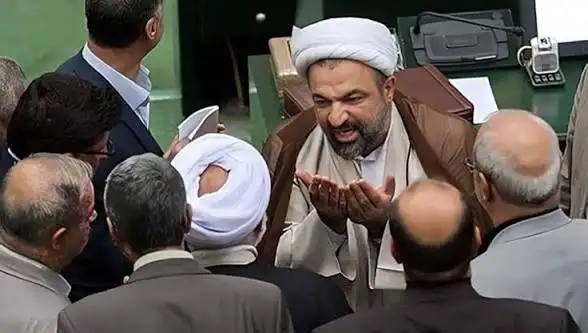
Iranian leaders publicly challenged Western descriptions of ongoing diplomatic efforts, asserting that external narratives misrepresent Tehran positions and objectives. Senior officials said statements from Washington and European capitals selectively frame discussions while overlooking security concerns, sanctions pressures, and regional dynamics. The remarks signal hardened messaging as diplomatic channels remain active through intermediaries and multilateral forums worldwide today broadly.
Foreign ministry representatives emphasized that negotiation processes are complex, iterative, and sensitive to sequencing. They argued that simplified portrayals risk distorting expectations among domestic aunces and international partners. Officials reiterated demands tied to sovereignty, verification mechanisms, and reciprocal measures, indicating that progress depends on mutual recognition of commitments and practical timelines across multiple tracks under continued diplomatic engagement.
Western officials maintain that their summaries reflect substantive discussions and confidence building steps. Diplomats familiar with the exces say communication remains constructive despite sharp rhetoric. They point to technical working groups and backchannel contacts designed to narrow gaps, reduce misunderstandings, and test proposals without public pressure complicating delicate deliberations behind closed doors across several venues and formats today.
Independent analysts observe that competing narratives often accompany high stakes diplomacy. Messaging strategies aim to influence leverage, manage constituencies, and shape international opinion. Experts caution that public framing can harden positions if misinterpreted, while disciplined communication may preserve flexibility needed for compromise, sequencing, and verification pathways acceptable to all sides during sensitive phases of ongoing regional diplomacy efforts.
Regional governments are monitoring developments closely, balancing strategic interests with economic and security considerations. Several capitals support continued dialogue while urging restraint in public statements. Energy markets and trade corridors remain attentive to signals from negotiators, as policy direction can influence investment decisions, insurance costs, and supply planning across interconnected global systems amid heightened geopolitical scrutiny worldwide currently.
Within Iran, political figures and commentators debate tactics and priorities. Some advocate incremental agreements focused on sanctions relief and verification steps, while others emphasize comprehensive frameworks addressing security architecture. State media highlights national interests and legal principles, reinforcing official positions while acknowledging public concerns about economic conditions and regional uncertainty during ongoing diplomatic deliberations and policy reviews nationwide.
Observers say outcome trajectories will hinge on sequencing, reciprocity, and enforcement design. Confidence building measures, transparency tools, and dispute resolution mechanisms remain central themes. Both sides appear intent on sustaining contacts despite rhetorical friction, suggesting that structured engagement may continue as stakeholders test pathways toward durable understandings under evolving regional and international conditions over the coming negotiation cycles.



Leave a comment