
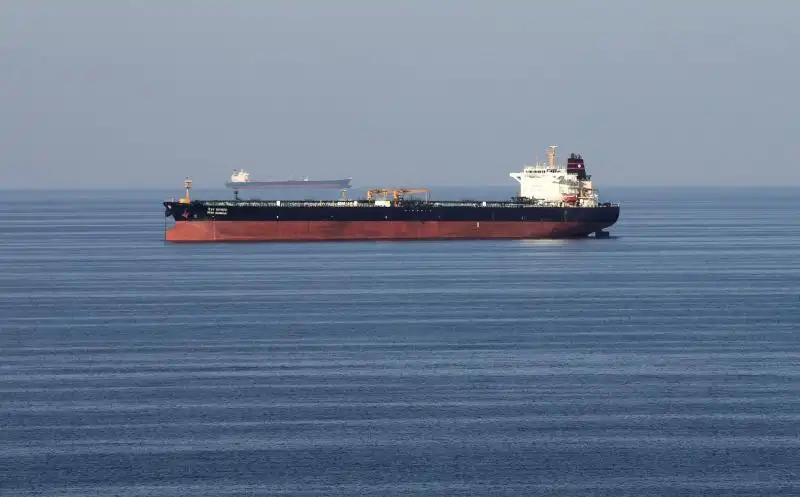
Maritime traffic through the Strait of Hormuz has declined significantly as tensions in the Middle East continue to intensify, raising concerns about the safety of one of the most important shipping routes for global energy supplies. The narrow waterway connects the Persian Gulf to international waters and serves as a critical passage for oil and gas shipments destined for markets across Asia, Europe, and beyond. With the regional conflict escalating, shipping companies and energy traders are reassessing the risks associated with operating in the area.
Data from maritime tracking services indicate that the number of oil tankers moving through the strait has dropped noticeably in recent days. Many shipping operators have chosen to delay voyages or redirect vessels to safer locations while monitoring developments. Insurance providers have also responded by raising premiums for ships traveling through the region, reflecting heightened concern about potential threats to commercial vessels navigating these waters.
Energy analysts emphasize that the Strait of Hormuz plays an essential role in the global energy system. A large share of the world’s oil exports passes through this narrow maritime corridor each day. Any disruption to shipping activity can have immediate consequences for supply chains and pricing in international markets. The reduction in tanker traffic has already contributed to growing uncertainty among traders who depend on reliable shipment schedules to balance supply and demand.
Governments in energy importing countries are paying close attention to the evolving situation. Officials are reviewing contingency plans and examining strategic fuel reserves to ensure that domestic supplies remain le if shipping delays persist. Some countries are also exploring alternative transport routes and suppliers in order to reduce dependence on shipments that normally transit through the Gulf region.
Industry experts say that the future flow of tanker traffic will depend largely on the security situation around the strait in the coming weeks. If tensions ease, shipping companies may gradually resume normal operations. However, if military activity continues or expands, vessel operators could remain cautious, keeping traffic levels lower than usual. For the global energy market, the strait remains a critical gateway whose ility is closely tied to the broader economic outlook.










Leave a comment