
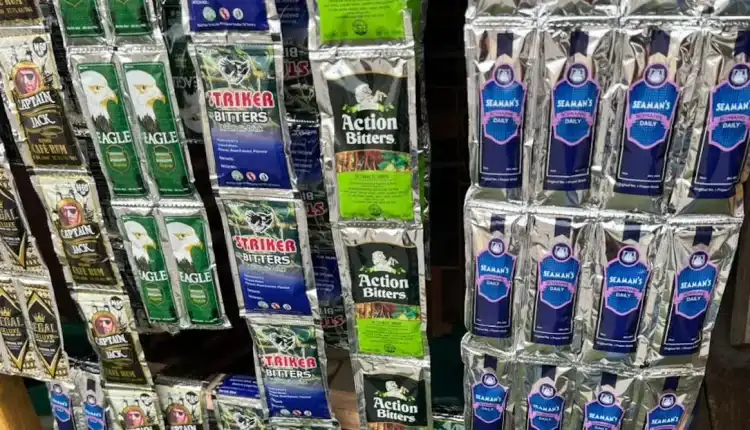
A new national survey has revealed alarming trends in underage alcohol consumption in Nigeria, showing that more than half of Nigerian minors now purchase alcohol on their own, often in sachets and small plastic bottles. The findings also indicate that one in four underage youths consumes alcohol daily, raising serious public health concerns.
The survey, conducted across Nigeria’s six geopolitical zones, found that 54.3 percent of minors and underaged persons obtained alcohol independently, mainly from roadside sellers and informal retail outlets. Cheap sachet alcohol and small PET bottles were identified as the most commonly purchased products due to their affordability and ease of concealment.
The study was carried out between June and August 2021 by Research and Data Solutions Ltd, Abuja, with support from the Distillers and Blenders Association of Nigeria and the National Agency for Food and Drug Administration and Control. It involved 1,788 respondents from Gombe, Kaduna, the Federal Capital Territory, Anambra, Lagos, and Rivers states, alongside focus group discussions and interviews with alcohol retailers.
Presenting the findings, NAFDAC Director General, Professor Mojisola Christianah Adeyeye, described the results as a wake up call for regulators, parents, and communities. She warned that easy access to alcohol exposes children to serious health, social, and developmental risks.
Beyond direct purchases, the survey showed that 49.9 percent of minors accessed alcohol through friends and relatives, 45.9 percent at social gatherings, and 21.7 percent from their parents’ homes, highlighting the role of social and family environments in underage drinking.
Consumption patterns were equally concerning. While many reported occasional drinking, 9.3 percent of minors and 25.2 percent of underaged youths admitted to drinking alcohol daily, a level experts say increases the risk of addiction and long term health consequences.
NAFDAC emphasized the need for stricter regulation of alcohol packaging and retail practices, noting that removing small, easily concealed pack sizes could significantly reduce access for children. The agency also called for collective responsibility from parents, schools, religious leaders, and communities to protect children and safeguard the nation’s future.











Leave a comment