
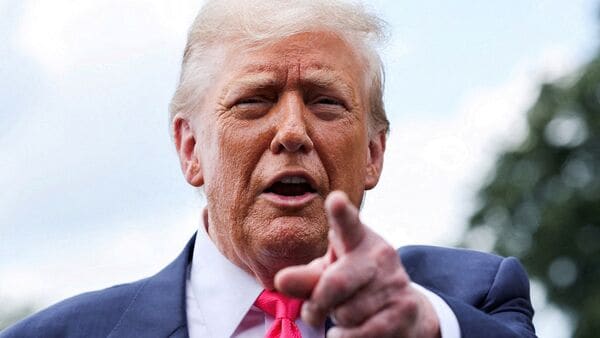
The Supreme Court of the United States has struck down President Donald Trump’s sweeping global tariff policy, marking one of the most significant judicial rebukes of his second term. The ruling limits the president’s ability to impose broad trade penalties under emergency authority, reshaping the economic and political landscape ahead of the midterm elections.
The decision, which included opposition from some conservative justices, effectively dismantles Trump’s signature tariff framework. While the president quickly signaled plans to pursue new tariffs under Section 122 of the Trade Act of 1974, that authority is far narrower. It limits tariffs to 15 percent and to a duration of 150 days unless Congress approves an extension.
Chief Justice John Roberts noted that alternative statutes cited to justify tariffs include procedural requirements and clear limits on scope and duration. The ruling therefore significantly curtails the administration’s flexibility to rapidly impose or escalate trade penalties.
The economic context heightens the impact of the decision. Recent data from the Bureau of Economic Analysis showed gross domestic product growth slowing to 1.4 percent in the fourth quarter, making 2025 one of the weakest growth years in recent history. Job gains have also softened, while inflation remains stubborn despite slight improvement earlier in the year.
Public opinion has reflected this strain. Surveys show declining approval ratings for Trump’s handling of the economy and widespread disapproval of the tariff strategy, including among some Republican leaning voters.
Politically, the ruling could provide congressional Republicans with an opportunity to recalibrate. Many within the party have long favored free trade principles but had largely deferred to Trump’s aggressive trade posture. With the court stepping in, some GOP lawmakers may now feel emboldened to push for a more traditional legislative approach to trade policy.
As the midterm elections approach, the long term implications of the decision will test both Trump’s economic strategy and Republican unity.










Leave a comment