
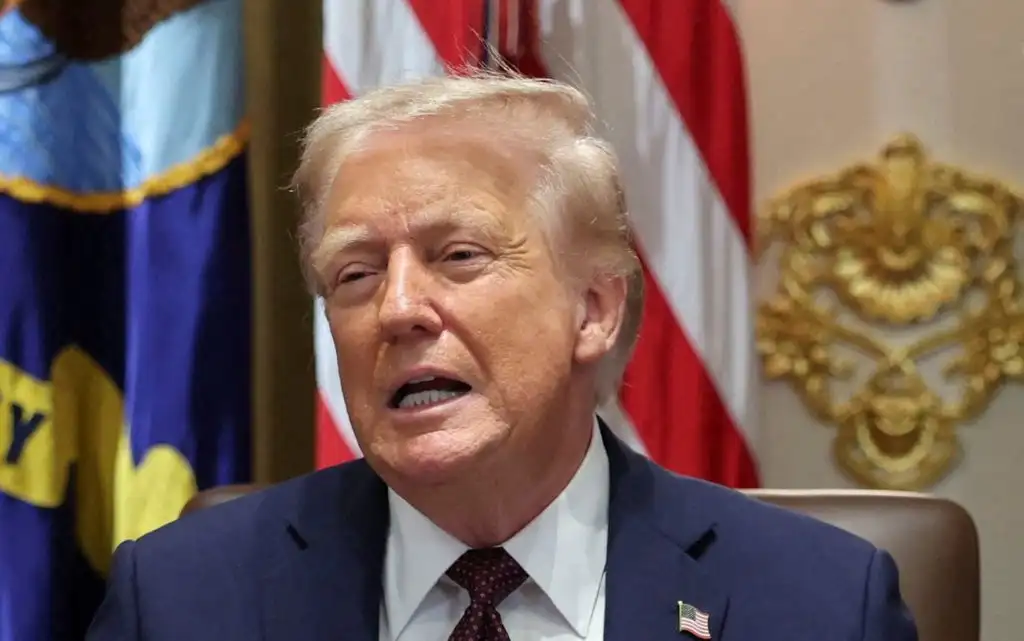
Supreme Court addressed a critical case regarding the balance of power between the presidency and independent federal agencies, focusing on President Trump’s dismissal of Federal Trade Commission (FTC) Commissioner Rebecca Slaughter. Appointed by Trump in 2018 and reappointed by Biden, Slaughter was terminated by Trump in March 2025 for not aligning with the administration’s priorities. She challenged her removal, arguing it violated the statute governing the FTC, which allows dismissal only for specific reasons such as inefficiency or malfeasance.
The Trump administration’s lawyers argued that the existing restrictions on removal empower independent agencies excessively, risking a lack of political accountability. U.S. Solicitor General D. John Sauer suggested that allowing agencies too much autonomy could create a “headless fourth branch” of government, detached from democratic oversight.
In contrast, liberal justices, including Justice Sonia Sotomayor, voiced concerns over the implications of cing this framework. Sotomayor warned that dismantling current structures might weaken Congress’s capacity to elish independent agencies, which are intended to operate free from executive interference.
The conservative justices showed more inclination toward the administration’s stance. Justice Brett Kavanaugh indicated that the current system risks allowing Congress to bypass executive authority by granting independent agencies extended protections and appointments, complicating presidential policy enforcement.
The Court’s decision in this case could significantly impact the future of independent federal agencies, potentially allowing presidents greater control over these entities. While a ruling in favor of the Trump administration may facilitate policy implementation, it also raises alarms about potential executive overreach and the erosion of elished checks and balances. The outcome is anticipated to shape the executive branch’s relationship with independent agencies for years to come.











I cant believe the Supreme Court is even debating this! Trump should have no authority over independent agencies. Its a clear conflict of interest.
Hey, do you think its fair for Trump to have so much power over independent agencies? It feels like a potential conflict of interest.
Does anyone else think the Supreme Court should limit Trumps power over independent agencies? Seems like a potential abuse of authority.
I cant believe theyre debating that! Who should have more power, Trump or independent agencies? What do you think?
I think its crazy how much power the President can have over independent agencies. What do you guys think? #supremecourt #governmentpowers