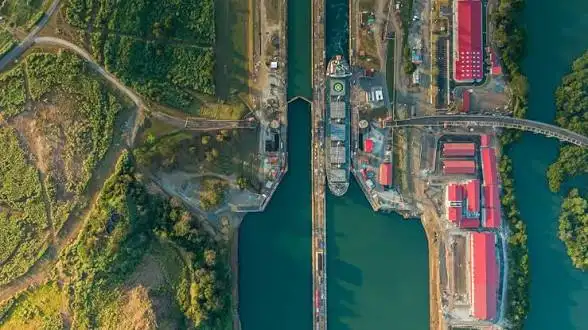
Global supply chains are experiencing mounting strain as key shipping lanes in the Gulf region face increasing pressure from ongoing geopolitical tensions. Industry officials report delays in cargo movement and heightened caution among maritime operators. These developments are affecting the steady flow of goods, raising concerns about the reliability of transport networks that support international trade and economic activity.
Shipping companies are adjusting routes and schedules to manage risks associated with operating in sensitive areas. Some vessels are taking longer alternative paths, which increases transit times and operational costs. Logistics experts note that such adjustments can disrupt delivery timelines, particularly for industries that depend on just in time inventory systems to maintain efficiency and meet consumer demand consistently.
Port authorities in several regions are implementing additional safety measures, including enhanced monitoring and coordination with international partners. These precautions aim to ensure the security of vessels and crews while maintaining operational continuity. However, increased procedures can slow throughput, contributing to congestion at key terminals and further complicating the movement of goods through already stressed supply networks.
Manufacturers are beginning to feel the effects of these disruptions, especially those reliant on components sourced through Gulf shipping routes. Delays in raw material deliveries can lead to production slowdowns, affecting output levels and contract fulfillment. Businesses are exploring contingency strategies, such as diversifying suppliers or increasing inventory buffers, to mitigate the impact of ongoing logistical challenges.
Retail sectors are also monitoring developments closely, as supply chain disruptions can influence product availability and pricing. Extended delivery times may lead to shortages in certain markets, while higher transportation costs can be passed on to consumers. Analysts warn that prolonged disruptions could alter purchasing patterns and place additional pressure on businesses already navigating competitive market conditions.
Financial analysts emphasize that disruptions in major shipping corridors have broader economic implications, affecting trade balances and growth projections. Countries heavily dependent on imports or exports through these routes may face greater vulnerability. Policymakers are assessing options to support affected industries, including measures aimed at strengthening supply chain resilience and reducing exposure to external risks.
Despite ongoing challenges, industry leaders remain focused on maintaining operational continuity and adapting to evolving conditions. Collaboration between governments, shipping firms, and international organizations is seen as essential in addressing disruptions. The situation underscores the importance of secure and efficient transport networks, as global supply chains continue to respond to an increasingly complex and uncertain environment.













Leave a comment