
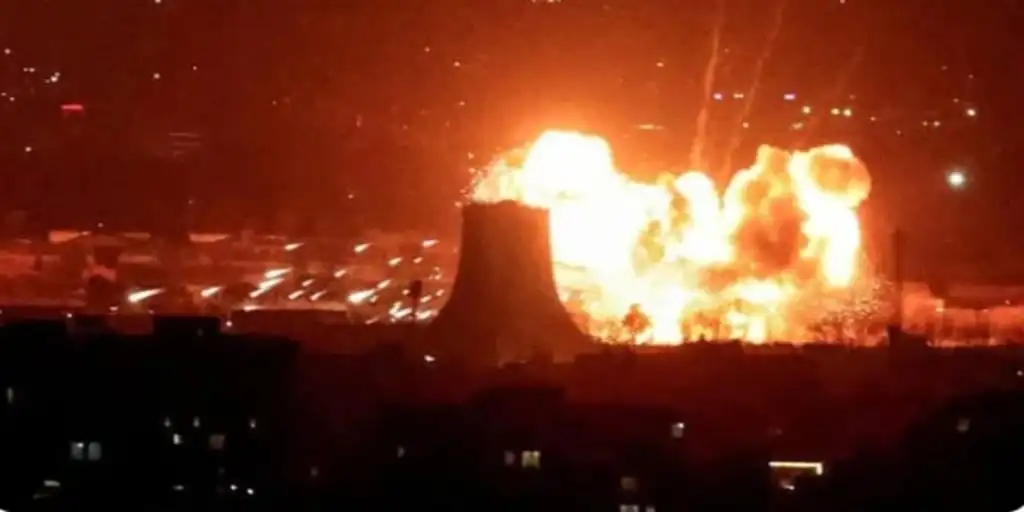
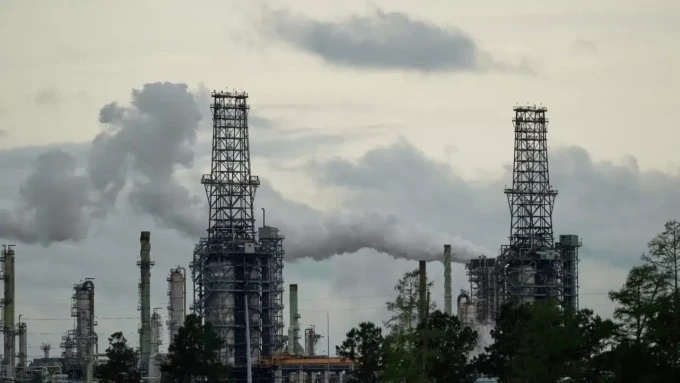
Military strikes targeting key energy facilities in Iran have intensified concerns among energy analysts and international observers about the potential long term effects on the country’s production capacity. Iran holds some of the largest oil and natural gas reserves in the world, making its energy infrastructure a critical component of both the national economy and global supply networks. Damage to storage sites, refineries, and transportation systems could create lasting challenges that extend far beyond the immediate conflict.
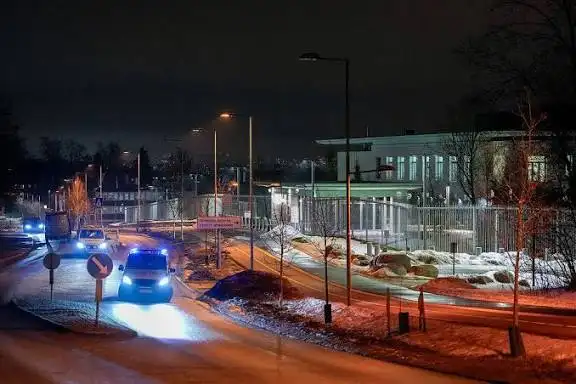
Reports from energy monitoring groups indicate that several sites connected to fuel storage and distribution have experienced significant disruptions following recent s. Fires at large fuel storage tanks near Tehran drew particular attention from analysts who track infrastructure across the region. These facilities play a key role in storing and distributing refined petroleum products throughout the country, and any prolonged outage could complicate domestic energy supply as well as export operations.
Energy specialists emphasize that infrastructure systems are complex and often require months or even years to fully restore after major damage. Oil and gas production depends not only on drilling operations but also on pipelines, processing plants, and storage networks that move fuel from fields to markets. When any part of this system is compromised, it can create bottlenecks that limit how much energy can be delivered. Even if production wells remain intact, transportation and processing constraints may reduce overall output.
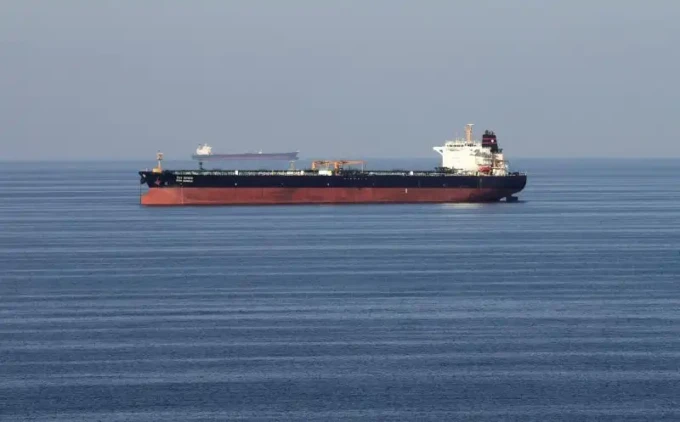
The potential impact of infrastructure damage also extends beyond Iran’s borders. Global markets closely monitor any threat to production capacity in major energy producing countries. Traders and governments are concerned that long lasting damage could reduce Iran’s ability to maintain its role in international energy markets. This could tighten supply conditions and contribute to price volatility, especially if other producers are unable to quickly compensate for reduced output.
Officials and industry experts are continuing to evaluate the extent of the damage as more information becomes available. Repair efforts may begin quickly in areas where security conditions permit, but the scale of reconstruction will depend on the severity of the strikes and the availability of materials and technical resources. For now the situation has reinforced concerns among global energy observers that s on critical infrastructure can have consequences that shape energy markets long after the immediate conflict subsides.





Leave a comment