
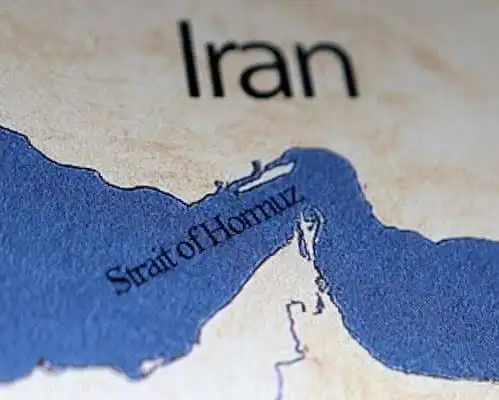
Rising tensions around the Strait of Hormuz are drawing global attention as concerns grow over the security of one of the world most critical maritime corridors. The narrow passage, which connects major oil producing regions to international markets, has become a focal point for geopolitical strain amid ongoing regional hostilities and heightened military activity nearby.
Shipping companies and maritime authorities have reported increased caution among vessel operators navigating the waterway. Some firms have adjusted transit schedules or implemented additional security protocols, citing uncertainty surrounding potential disruptions. These developments have introduced delays and increased operational costs, affecting the steady flow of goods and energy supplies across global trade networks.
Energy analysts warn that prolonged tension in the Strait of Hormuz could have far reaching economic implications. A significant portion of global oil exports passes through this route, making it highly sensitive to any form of disruption. Even limited interference can influence pricing, supply expectations, and broader market ility across multiple regions dependent on consistent energy access.
Naval forces from several countries have increased their presence in surrounding waters, conducting patrols and monitoring activities aimed at ensuring safe passage for commercial vessels. These operations are intended to deter potential threats while maintaining open navigation, though they also contribute to an already complex and tense maritime environment.
Regional governments have reiterated the importance of keeping the waterway open, emphasizing its role in sustaining economic activity and international trade. Diplomatic channels remain active as officials seek to reduce tensions and prevent further escalation that could impact shipping security and the broader global economy.
Insurance providers have also responded to the situation by reassessing risk levels for vessels operating in the area. Higher premiums and stricter coverage conditions are being introduced, reflecting concerns about potential incidents. These financial adjustments add another layer of complexity for shipping companies already navigating uncertain conditions within the region.
As developments continue, international stakeholders are closely monitoring the situation, recognizing the strategic importance of the Strait of Hormuz. The evolving dynamics underscore the need for coordinated efforts to ensure maritime security and maintain the uninterrupted flow of commerce through one of the world most vital trade routes.







Leave a comment