
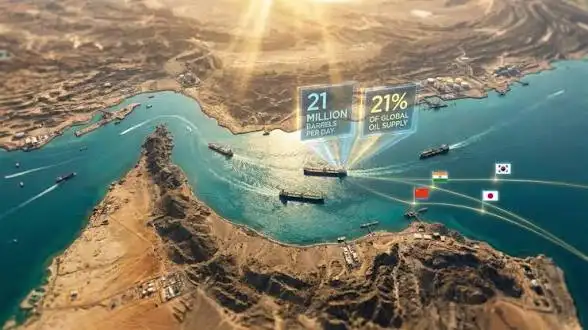
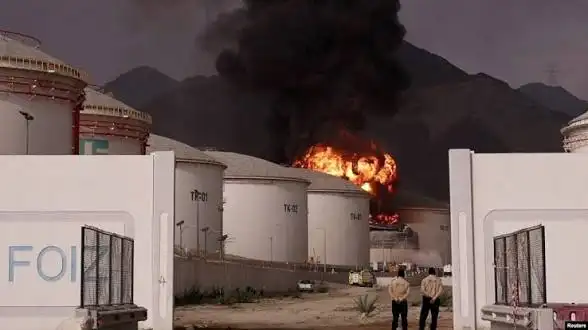
Rising tensions around the Strait of Hormuz triggered sharp reactions across global energy markets as traders assessed potential disruptions to vital shipping corridors. The narrow passage handles a significant share of seaborne petroleum flows, making security developments there highly consequential for pricing, logistics planning, and investor confidence across interconnected commodity networks worldwide today.
Maritime authorities issued navigational advisories while naval patrols increased visibility along key transit lanes. Shipping companies adjusted routes, schedules, and insurance provisions to manage exposure. Port operators coordinated with logistics providers to maintain throughput and minimize congestion, emphasizing redundancy, communications reliability, and real time data sharing to sustain commercial continuity during heightened uncertainty across regions.
Energy producers evaluated contingency plans covering storage, alternative pipelines, and flexible export terminals. Refiners reviewed feedstock sourcing strategies to ensure le operations. Analysts noted that diversification efforts can cushion short term shocks, though sustained volatility may influence capital allocation, project timelines, and contract negotiations among suppliers and consumers participating in global trade frameworks and markets.
Financial institutions tracked price movements across crude benchmarks, derivatives, and freight indices. Risk teams updated exposure models reflecting transport constraints and insurance costs. Advisory notes highlighted scenario planning, liquidity management, and hedging approaches designed to navigate turbulence while preserving portfolio resilience across sectors sensitive to energy input fluctuations and geopolitical developments worldwide.
Diplomatic engagement intensified as governments sought to reduce miscalculation risks and preserve navigation freedoms. Envoys exced briefings and explored confidence building measures aimed at deescalation. Multilateral forums facilitated technical dialogue on maritime safety, infrastructure protection, and crisis communication protocols supporting predictable engagement among civilian and defense authorities across regional partnerships and institutions globally.
Industry groups emphasized the importance of transparent communication to limit misinformation and speculative pressures. Trade associations coordinated guidance for members on compliance, documentation, and safety standards. Research organizations convened experts to assess long term implications for supply chains, investment patterns, and energy transition pathways influenced by recurring geopolitical stressors and operational constraints.
Policymakers reiterated commitments to market ility and civilian protection while monitoring evolving conditions. Legislators requested briefings on strategic reserves, alliance coordination, and regulatory readiness. As consultations continue, authorities balance deterrence objectives with diplomatic outreach to manage risks, sustain commerce, and reinforce international cooperation across complex security and economic landscapes worldwide today.






Leave a comment