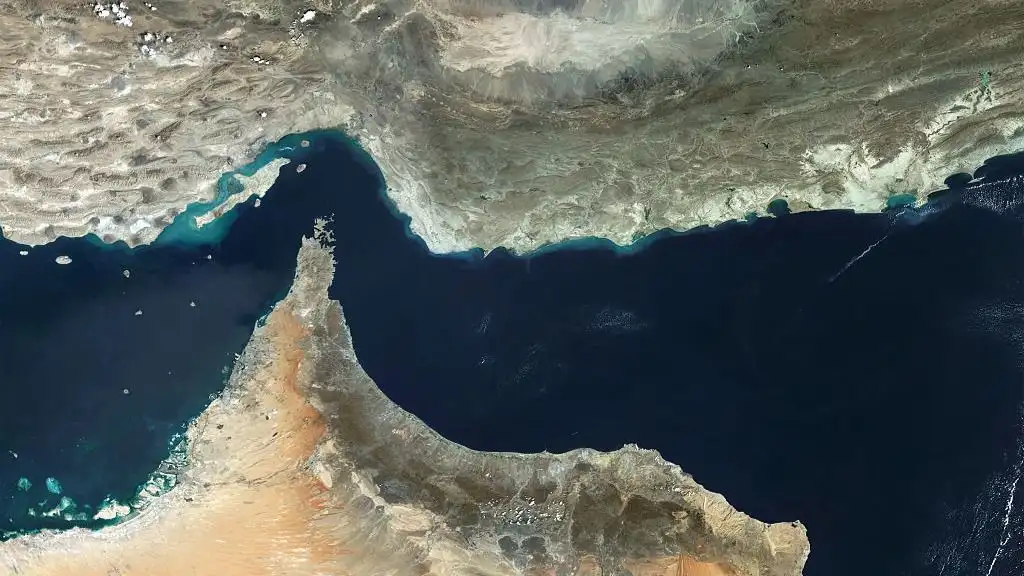
The Strait of Hormuz remains one of the most closely watched maritime corridors in the world as tensions across the Middle East continue to intensify. Roughly one fifth of the world’s oil shipments pass through the narrow waterway, making it a vital route for global energy transportation. With military activity and security concerns rising in the surrounding region, governments and shipping companies are closely monitoring the safety of vessels traveling through the strait.
Energy experts emphasize that the waterway serves as the primary exit point for crude oil produced by several Gulf nations. Tankers transporting millions of barrels of oil move through the corridor each day on their way to markets in Asia, Europe, and other parts of the world. Because the strait is relatively narrow in several sections, commercial vessels must follow carefully coordinated navigation routes to maintain safe passage.
Recent developments linked to the broader regional confrontation have increased concern among maritime security officials. Military forces from several countries are conducting intensified patrols in and around the strait while monitoring potential threats to commercial shipping. The presence of naval vessels, surveillance aircraft, and security escorts has become more common as authorities attempt to maintain open shipping lanes.
Shipping companies are also adjusting their operational planning in response to the evolving security environment. Some firms have instructed crews to adopt enhanced safety procedures while moving through the corridor, including maintaining communication with naval patrols and maritime coordination centers. Insurance providers have also been reviewing coverage policies for vessels operating in the Persian Gulf region due to the elevated risk profile.
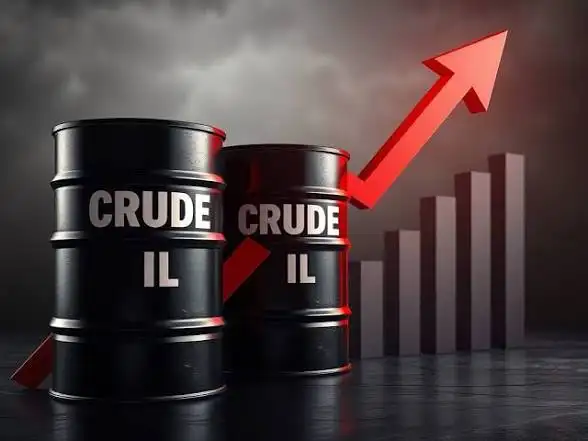
Global economic observers warn that any disruption to tanker traffic in the Strait of Hormuz could have far reaching consequences for international energy markets. Oil shipments moving through the corridor supply fuel for transportation systems, manufacturing industries, and power generation across many countries. As the regional conflict continues to evolve, the security of this strategic maritime route remains a critical concern for governments, energy companies, and global financial markets.








Leave a comment