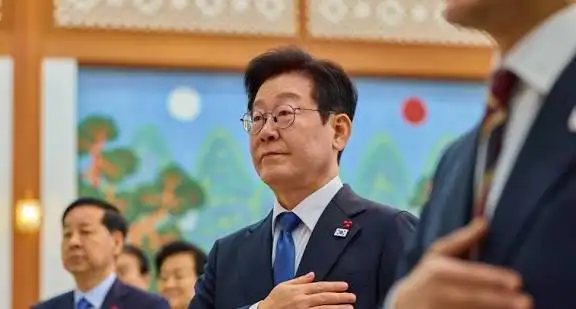
South Korea president has called for sustained diplomatic engagement with North Korea, emphasizing the need to reduce hostility and build long term stability on the Korean Peninsula. The remarks come amid fluctuating tensions and intermittent military signaling between the two neighbors.
In a national address, the president stressed that dialogue remains essential despite periods of confrontation. He noted that durable peace cannot be achieved through deterrence alone and urged renewed efforts to reopen communication channels that have stalled in recent years. The administration reaffirmed its commitment to pursuing peaceful coexistence while maintaining a firm security posture.
Relations between Seoul and Pyongyang have experienced cycles of diplomatic outreach and military escalation. Joint military exercises conducted by South Korea and its allies have drawn criticism from North Korea, which often views such drills as provocative. Conversely, missile tests and weapons demonstrations by Pyongyang have prompted international condemnation and reinforced concerns about regional security.
The South Korean leader acknowledged these complexities, stating that efforts to lower tensions must balance deterrence with diplomacy. He highlighted humanitarian cooperation and economic exchanges as potential confidence building measures, while underscoring that progress depends on reciprocal steps from the North.
Analysts say the call for sustained engagement reflects broader regional concerns about stability in Northeast Asia. Neighboring countries and global powers closely monitor developments on the peninsula due to the implications for nuclear proliferation and alliance dynamics. Diplomatic stagnation has heightened uncertainty, particularly as geopolitical competition intensifies elsewhere in the region.
The president also emphasized coordination with international partners, reaffirming that peace initiatives would remain aligned with global nonproliferation objectives. While no immediate talks have been scheduled, officials signaled openness to resuming dialogue if conditions allow.
Public opinion in South Korea remains divided on the best approach toward the North, with some advocating stronger deterrence measures and others favoring renewed engagement. The administration argued that maintaining readiness while leaving the door open to negotiation offers the most pragmatic path forward.
Observers note that meaningful progress will likely require incremental steps and sustained political will on both sides. Confidence building initiatives, if revived, could help reduce misunderstandings and prevent accidental escalation along the heavily fortified border.
As tensions continue to shape the security landscape of the Korean Peninsula, the South Korean president message underscores a renewed emphasis on diplomacy as a parallel track to defense preparedness. Whether such efforts translate into concrete talks will depend on future developments and the broader strategic environment.













Leave a comment