

In a notable development, South Korea and the United States have agreed to repatriate over 300 South Korean workers detained during a major immigration enforcement operation at a Hyundai Motor Group facility in Georgia. This operation, carried out by U.S. Immigration and Customs Enforcement (ICE), led to the arrest of 475 individuals, mostly South Korean nationals, at a Hyundai electric vehicle battery plant under construction in Ellabell, Georgia, a joint venture with LG Energy Solution. It marked the largest single-site enforcement action recorded by the Department of Homeland Security.
In response to the raid, South Korean Foreign Minister Cho Hyun plans to visit the U.S. to address the diplomatic repercussions. The South Korean government has voiced concerns about the raid’s effect on its citizens and businesses operating in the U.S., prompting Hyundai and LG to suspend most U.S. business trips and recall staff.
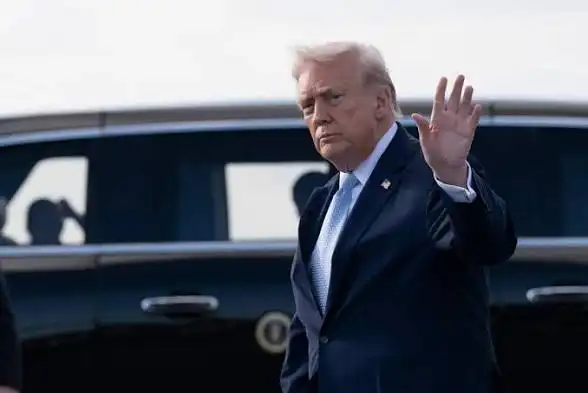
U.S. President Donald Trump highlighted the necessity of enforcing immigration laws while recognizing the value of qualified foreign talent. He advocated for the legal employment of foreign workers and indicated a willingness to streamline pathways for bringing sed workers to the U.S.
The incident has sparked worries among foreign investors, especially South Korean companies that have significantly invested in the U.S., with the Hyundai-LG facility representing the largest foreign investment in Georgia’s history. As discussions continue between the two nations, they aim to resolve the situation and prevent future incidents. Additionally, the South Korean government is reviewing visa systems concerning investment-related business travel to safeguard the rights and interests of its citizens and businesses.












Im not sure how I feel about this deal. On one hand, its great the employees are freed, but what about the bigger issue of immigration enforcement?
I wonder if this agreement sets a precedent for how other countries handle similar situations. Interesting development!
Wow, glad to hear about the employees being freed. But shouldnt companies be held accountable for hiring undocumented workers in the first place?
Do you think this agreement sets a dangerous precedent for other countries to negotiate the release of their citizens from U.S. immigration operations?
Wow, incredible news! Do you think this agreement sets a good precedent for future immigration cases involving multinational corporations?
I wonder if this will set a precedent for future cases involving foreign workers in the U.S. immigration system. Its definitely a unique situation.
Why should the U.S. government prioritize freeing employees over addressing the root causes of immigration issues? Lets discuss.
I wonder if this agreement sets a precedent for other countries to cooperate with the U.S. on immigration-related issues. What do you think?