
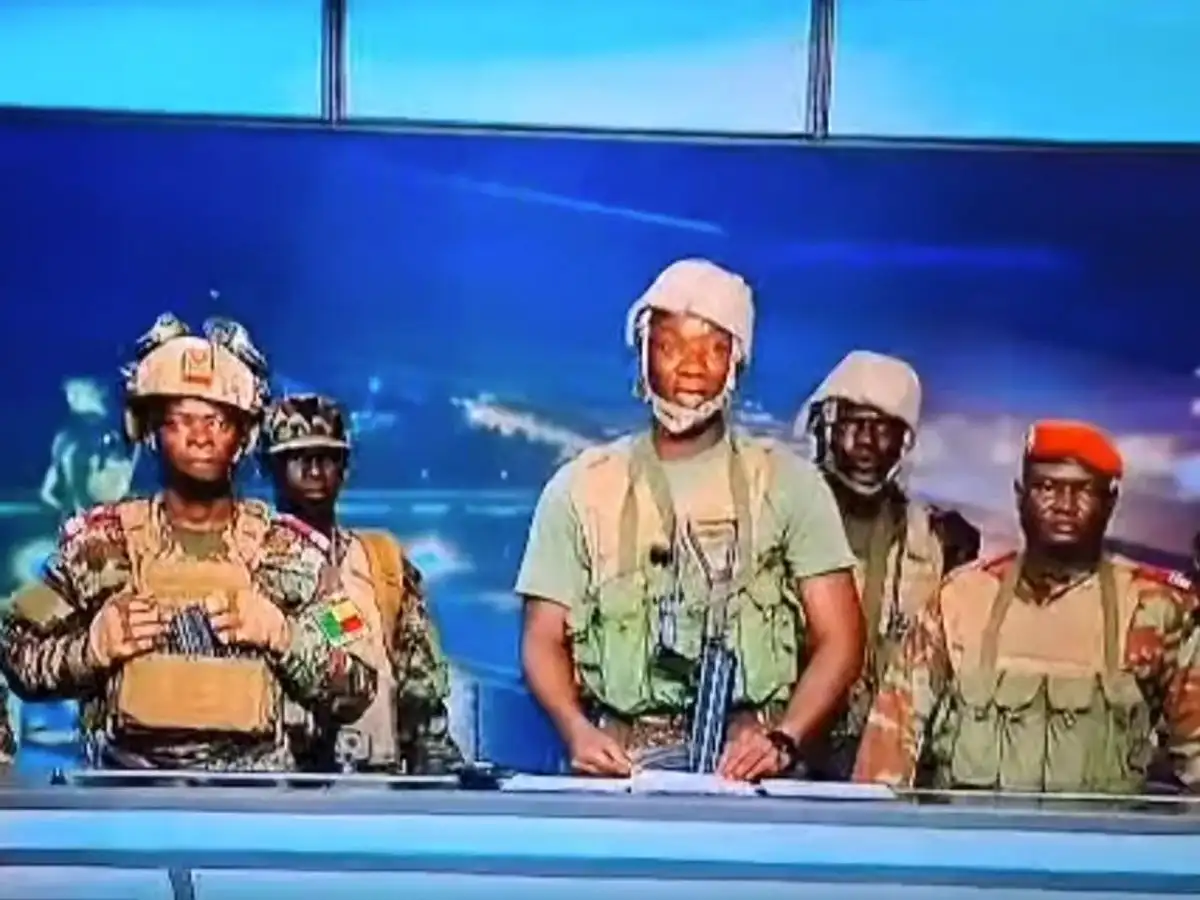
On December 7, 2025, solrs in Benin announced the dissolution of the government and the removal of President Patrice Talon, who has been in power since 2016. Identifying themselves as the Military Committee for Refoundation, they stated they had “removed from office” Talon and all state institutions, appointing Lieutenant Colonel Pascal Tigri as their leader. This announcement followed an early morning on Talon’s residence in Porto-Novo, which involved significant gunfire. The military seized control of state television while the French Embassy reported disturbances nearby and advised its citizens to stay indoors.
President Talon was expected to step down in April 2026, with his party’s candidate, Romuald Wadagni, favored in the upcoming elections. However, the main opposition candidate, Renaud Agbodjo, had been disqualified due to insufficient sponsorship, raising concerns from opposition groups and international observers, especially after the legislature extended presidential terms from five to seven years.
In response to the coup, the Beninese military claimed that President Talon was safe and that control was being restored. The presidency urged citizens to remain calm, emphasizing that the situation was under control. This event marks a significant political disturbance in Benin, the first since the country’s transition to democracy in 1991, and echoes the recent trend of military coups across West Africa, notably in Guinea-Bissau and Burkina Faso.
International responses have included calls from the Economic Community of West African States (ECOWAS) for a peaceful resolution and a return to constitutional order. The evolving situation has garnered significant global attention, with many urging respect for democratic processes and the rule of law as the people of Benin await further developments.



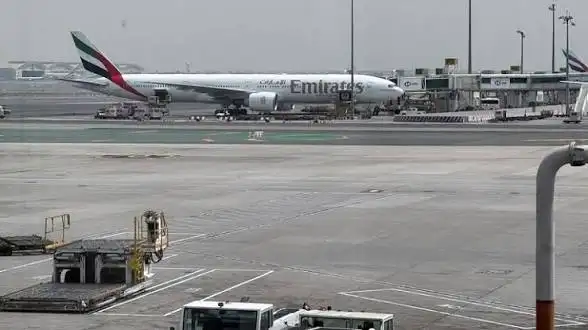


This coup in Benin is crazy! Do you think its justified or just another power grab? Im shook.
Are we living in a political thriller or is this real life? Benin on the brink of a military coup? Whats next? 🤯🇧🇯 #StayTuned
This military coup in Benin on TV? Crazy stuff! Wonder whats really going on behind the scenes. Stay tuned!
Is this real life or a movie plot? Benin solrs planning a coup on TV? Whats next, aliens landing in the capital?
Wow, can you believe the audacity of those solrs? How will this coup impact Benins ility? Crazy times were living in.