
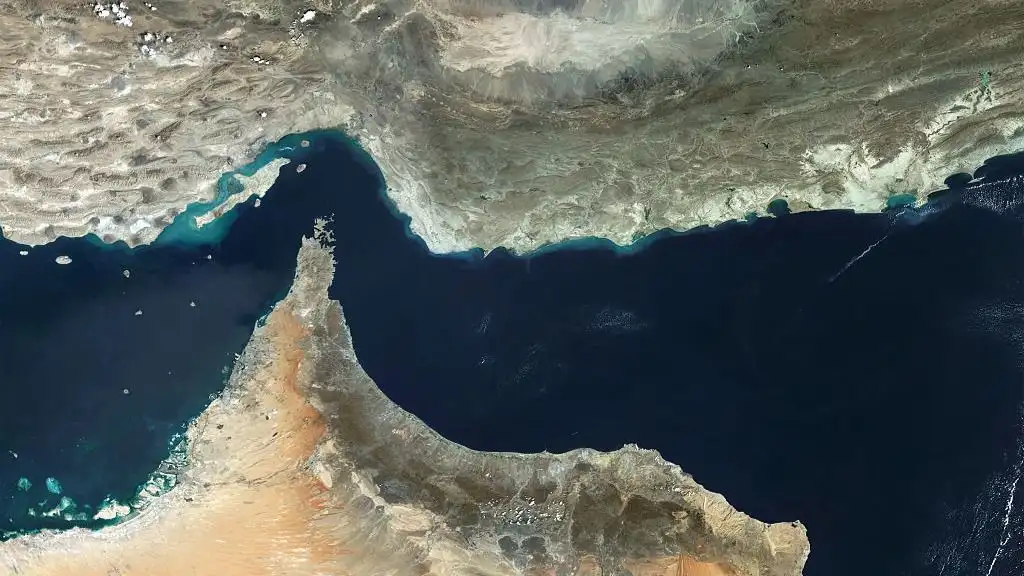
Maritime traffic through the Strait of Hormuz has plummeted by 95 percent since the outbreak of war in the region following US and Israeli strikes on Iran on February 28. Only 149 crossings were recorded between March 1 and March 24, a dramatic decline from peacetime levels, according to analytics firm Kpler.
Of these, 94 crossings were by oil and gas tankers, with 61 percent fully loaded and most heading east. Iranian flagged vessels dominated the small number of transits, while some Greek, Chinese, Indian, and Pakistani owned ships also navigated the corridor after payments or state negotiation. Analysts have referred to this route near Larak Island as the “Tehran Toll Booth,” with Iran’s Revolutionary Guard Corps verifying vessel details and occasionally collecting passage fees.
The shipping reduction has significantly disrupted global energy flows, particularly oil and LNG supplies. Most oil moving through the strait continues to originate from Iran, averaging 1.3 million barrels per day in early March, with the majority bound for Asia, especially China. Europe bound LNG shipments have largely been redirected to Asian markets amid restricted supply and rising spot prices.
Analysts warn that the temporary uptick in Tehran approved transits does not signal a ce in security conditions. Lloyd’s List editor Richard Meade noted that Iran remains fully capable of disrupting shipping, while 40 percent of vessels transiting the strait since the conflict began are under US, EU, or UK sanctions.
The Strait of Hormuz remains a strategic chokepoint for global energy, carrying roughly a fifth of the world’s oil and liquefied natural gas in peacetime. Ongoing military tensions and restricted traffic highlight the vulnerability of critical international trade routes in the Middle East.











Leave a comment