
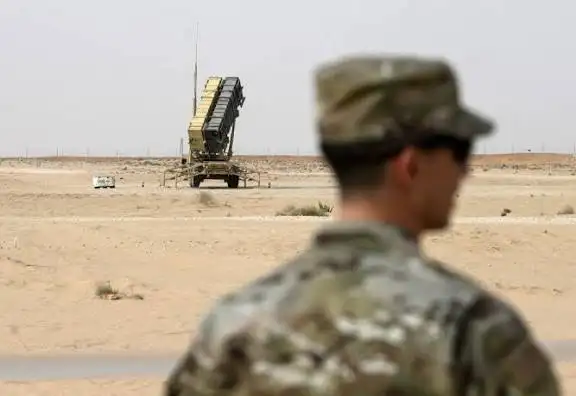
Saudi Arabia’s air defense forces intercepted several ballistic missiles that were heading toward Prince Sultan Air Base, according to military officials who described the incident as one of the most serious direct threats to Saudi military infrastructure since regional tensions began escalating. The attempted strike occurred amid a wider surge in missile and drone activity across the Gulf region, raising concerns that the conflict involving Iran could increasingly involve multiple countries and critical defense facilities.
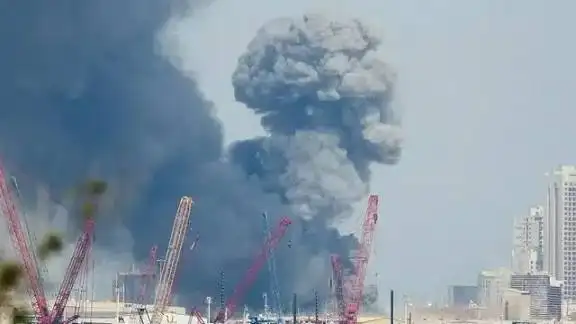
Defense officials in Riyadh reported that early warning radar systems detected the launch of ballistic missiles late in the evening, prompting immediate activation of air defense batteries stationed near Prince Sultan Air Base. Interceptor missiles were launched within minutes after the incoming threats were identified. Military sources said the interception took place high in the atmosphere outside the base perimeter, preventing damage to the installation and surrounding areas. Authorities stated that debris from destroyed projectiles fell in remote desert locations away from populated zones.
Prince Sultan Air Base is one of Saudi Arabia’s most strategically important military installations. Located south of the capital Riyadh, the base hosts advanced air defense systems and serves as a key operational hub for Saudi and allied military coordination in the region. It has played a central role in monitoring regional airspace and supporting security operations in the Gulf. Because of its strategic importance, the base has long been considered a potential target in the event of a broader regional confrontation.
Government officials emphasized that the country’s defense systems functioned effectively during the attempted strike. The Saudi Ministry of Defense stated that the interception demonstrated the readiness of the kingdom’s integrated air defense network, which includes radar monitoring, interceptor missile systems, and coordination with allied defense partners. Authorities also confirmed that there were no casualties and that normal operations at the base resumed shortly after the interception.
Security analysts say the targeting of Prince Sultan Air Base signals a dangerous escalation in the regional conflict environment. Military installations that host advanced aircraft and surveillance systems are seen as critical assets for monitoring developments across the Middle East. An against such a facility could have broader strategic implications by threatening the operational capabilities of regional defense forces.
The incident also highlights growing concerns among Gulf countries that military infrastructure could become increasingly vulnerable as missile and drone technology continues to spread throughout the region. Experts warn that modern drone swarms and precision guided missiles have ced the nature of regional security, making it possible to threaten facilities that were once considered relatively secure due to distance and defensive capabilities.
Following the interception, Saudi authorities placed air defense units across the country on heightened alert. Surveillance operations were expanded to monitor potential additional launches, and security measures were strengthened around military bases, oil facilities, and major infrastructure sites. Officials also coordinated with regional allies to share intelligence related to the missile launch.
International observers warn that incidents involving direct s on major military installations risk further widening the conflict environment. With multiple countries already responding to missile and drone threats, the possibility of rapid escalation remains a major concern for diplomats and security planners monitoring the evolving situation in the Gulf region.







Leave a comment