
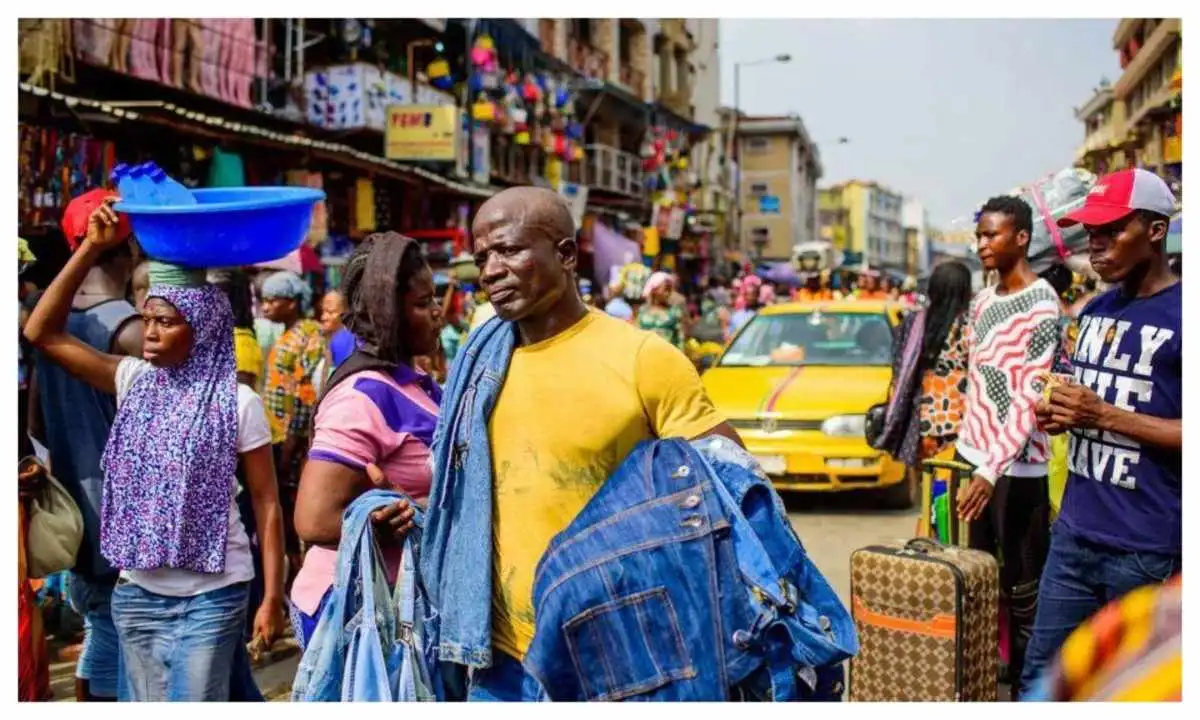
Small business owners in the Federal Capital Territory are being pushed to operate on bridges and other informal locations due to skyrocketing shop rents across markets in Abuja. Rising operational costs and declining customer patronage have made it difficult for many entrepreneurs to sustain traditional retail spaces.
Adamu Mustapha, a trader on one of the Airport Road bridges, explained that high rents in nearby communities forced him to sell his goods roadside. He added that daily transportation costs also raise prices for customers, with items that would normally sell for N300 going for around N500.
Meanwhile, Sa’adatu Aliyu, Managing Director of Rural Homes Limited, the developer of Karimo District Market, explained that rental spaces range from N100,000 per year for small stalls to between N2 million and N3 million annually for larger units. Shop purchase prices start at about N7 million while warehouses measuring up to 100 square metres can cost N60 million to N80 million.
Despite these figures, many traders say such costs remain unaffordable. A shop owner at the Wuye Modern Market described high shop rents as a major challenge for entrepreneurs. He explained that securing a shop alone consumes significant capital even before stocking goods, while rising prices of materials and fuel worsen the situation.
The trader noted that current economic realities have reduced spending on non-essential items, impacting sectors like fashion. Prolonged periods of low sales affect not only business operations but also the livelihoods of employees and their families.
To cope, some business owners have turned to online marketing, improved customer service, and other innovative strategies. However, traders are calling on the Federal Capital Territory Administration to review rent policies and make shop spaces more affordable. They argue that supportive policies would allow small businesses to grow, increase market activity, and strengthen the local economy.











Leave a comment