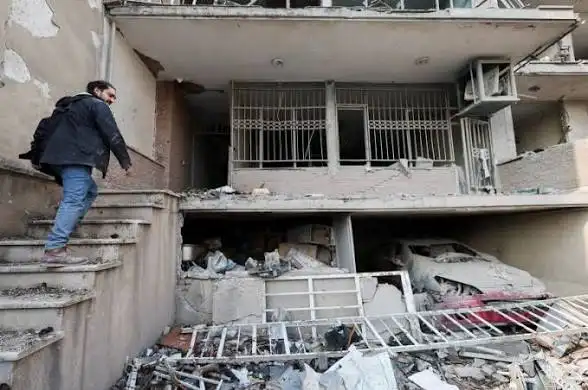
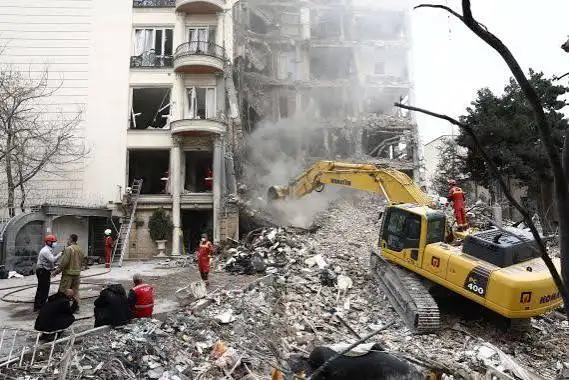
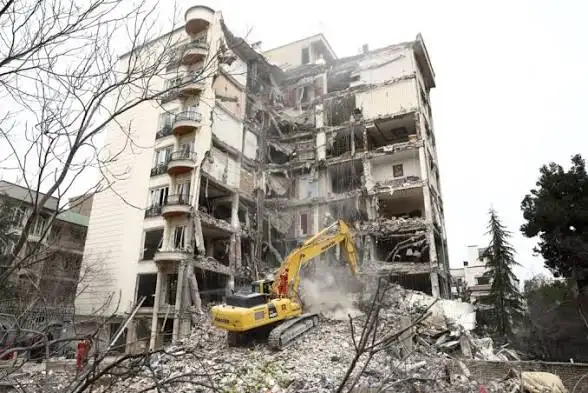
Multiple independent reports have confirmed civilian injuries and significant infrastructure damage across several districts of Tehran following overnight military operations. Emergency coordinators and municipal officials described disrupted utilities, damaged residential buildings, and transportation delays affecting commuters. Authorities said assessments remain ongoing as response teams document impacts and prioritize assistance for affected neighborhoods and essential public services restoration efforts.
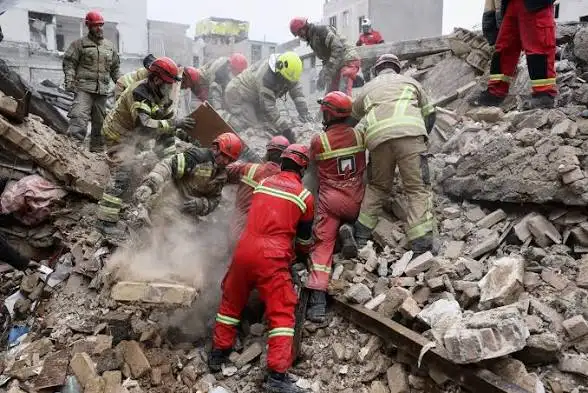
First responders deployed rapidly to affected zones, elishing triage points and securing hazardous areas. Medical personnel treated residents for trauma and smoke exposure while engineers evaluated structural integrity. Power crews worked to ilize grids as water services faced intermittent pressure losses. Officials urged residents to follow safety guidance and avoid restricted corridors during clearance operations citywide coordination measures.
Local administrators convened emergency meetings to coordinate logistics, shelter capacity, and public communications. Transportation agencies rerouted buses and adjusted rail schedules to maintain mobility. Telecommunications providers reported localized outages but restored key links through redundancy systems. Civil defense units conducted building inspections, marking unsafe structures and advising temporary relocation for vulnerable households across affected metropolitan districts today areas.
Health authorities said hospitals activated surge protocols, expanding emergency capacity and coordinating blood supplies. Administrators confirmed that ambulance networks operated continuously despite traffic constraints. Mental health teams prepared community outreach for families experiencing distress. Public information offices issued multilingual advisories to counter rumors and provide verified updates through broadcast and digital platforms for residents and stakeholders citywide alike.
Utility operators began phased restoration plans prioritizing hospitals, water treatment facilities, and transit hubs. Engineers assessed substations, pipelines, and signal systems for hidden faults. Temporary generators supported critical services while procurement teams sourced replacement components. Authorities warned that full normalization could require sustained repairs given the breadth of reported physical impacts across multiple sectors and districts simultaneously nationwide.
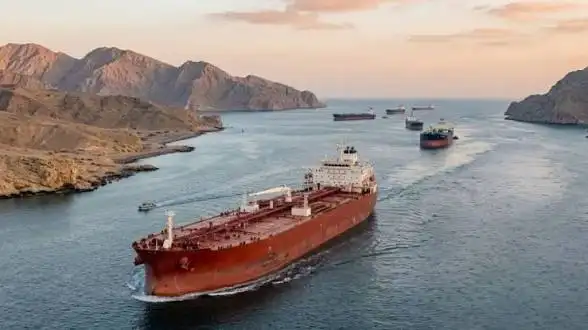
International organizations called for protection of civilians and preservation of essential infrastructure under humanitarian principles. Several governments requested briefings to assess implications for regional security and commerce. Insurance and logistics firms evaluated risk exposure and contingency routes. Market analysts tracked energy flows and shipping patterns for potential disruptions linked to operational developments across interconnected global supply networks worldwide.
Officials stated that verification processes will continue as new information emerges from field surveys and satellite imagery. Transparency measures include public dashboards and scheduled briefings. Community leaders urged solidarity and adherence to safety directives. Further updates are expected as assessments mature and coordinated recovery planning advances among agencies and partner institutions in coming operational review cycles ahead nationally.




Leave a comment