
Operators in Nigeria’s registrar sub sector say their business remains tightly tied to activity levels in the broader capital market, limiting growth opportunities despite ongoing reforms and digital transformation.
Unlike issuing houses or brokers that originate transactions, registrars participate only after deals are created. This makes their revenue largely dependent on new listings, public offers, mergers and acquisitions, and other corporate actions on the Nigerian Exce Limited.
Industry leaders note that the past year was challenging, with only one major equity listing, although banks executed several rights issues. Elevated interest rates also dampened bond issuances. Meanwhile, most commercial paper transactions were privately placed with a limited number of institutional investors, offering little scale for registrars whose earnings depend on large shareholder volumes.
Competition is also highly concentrated, with about 85 to 90 per cent of the market controlled by the top four firms. As a result, operators often compete aggressively on pricing rather than differentiated services, especially in a market where transactions are limited.
However, the sector has undergone significant transformation since COVID 19. Virtual and hybrid annual general meetings have become mainstream, allowing shareholders from countries such as Canada and the United States to participate in real time. The fully digital public offer by MTN Nigeria marked a milestone, with end to end electronic processing and seamless dividend payments through the Central Securities Clearing System.
On unclaimed dividends, operators argue the issue is largely legacy driven, especially among century old firms such as First Bank of Nigeria Holdings. Newer listings, particularly post BVN introduction, record minimal unclaimed payouts.
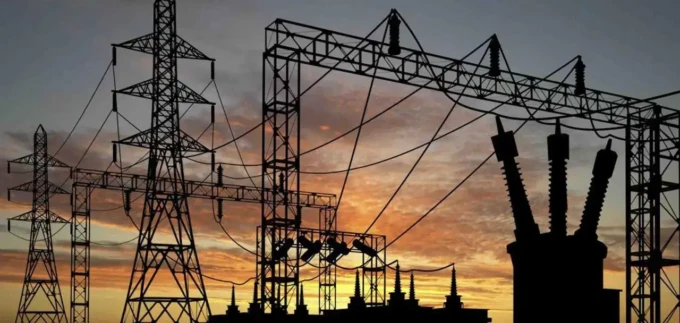
Looking ahead, stakeholders see vast untapped potential in infrastructure financing through the capital market. They argue that listing major national assets and deepening reforms could unlock patient capital for roads, rail and energy, strengthening both market depth and economic growth.











Leave a comment