
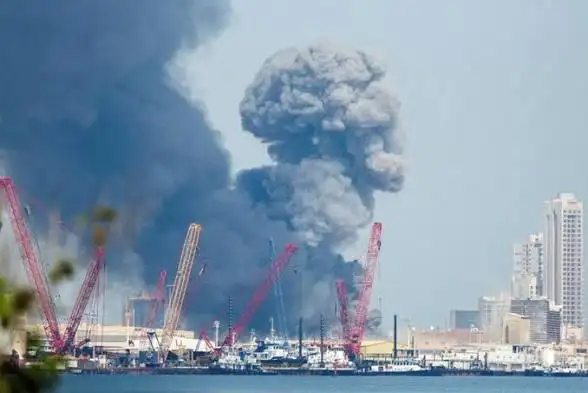
Air defense systems across the Middle East are operating at heightened alert as officials monitor potential missile threats targeting strategic locations. Governments have deployed advanced radar networks and interceptor units to detect and neutralize incoming projectiles, emphasizing the importance of maintaining constant vigilance to protect civilian populations and critical infrastructure from escalating risks in the region.
Military analysts note that increased readiness reflects both recent activity and the potential for rapid escalation. Authorities are focused on ensuring that early warning protocols function effectively, while coordination among multiple defense agencies allows for swift response to any detected threat. Continuous monitoring and simulation exercises have become a key component of operational preparedness.
Regional commanders report that advanced missile interception technologies have been integrated into existing networks to provide multi layered protection. These systems are designed to track diverse aerial objects, prioritize targets, and deploy countermeasures with precision, reducing the likelihood of significant damage to populated areas or essential facilities while enhancing overall defensive capabilities.
Civilian populations near high risk areas have been advised to remain vigilant and follow emergency guidelines issued by local authorities. Public awareness campaigns have emphasized the importance of preparedness, including evacuation procedures and access to designated shelters, ensuring that communities are better equipped to respond safely in case of a missile incursion or related incident.
Allied nations operating within the region have strengthened collaboration on intelligence sharing and joint defensive planning. Coordination between forces allows for more accurate threat assessment, quicker decision making, and integrated responses that enhance overall regional security. Observers note that this level of preparedness reflects the seriousness of the evolving threat landscape.
Defense experts stress that sustaining high alert levels requires continuous investment in personnel training, equipment maintenance, and technological upgrades. Regional militaries are balancing the need for vigilance with operational sustainability, ensuring that readiness can be maintained over extended periods without compromising effectiveness or response times.
As tensions remain elevated, officials continue to monitor potential triggers for conflict while adapting strategies to emerging risks. The focus on air defense preparedness underscores the critical role of early detection and rapid response, highlighting how integrated systems and coordinated planning are essential to protecting lives and infrastructure amid a volatile security environment.








Leave a comment