
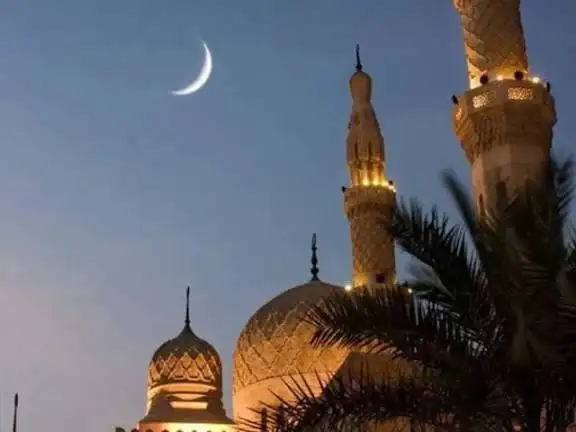
Religious authorities across multiple countries are closely observing the skies as the anticipated sighting of the Ramadan crescent moon determines the official beginning of Islam’s holiest month. The timing of the start of fasting varies each year based on lunar calculations and physical moon sighting reports, leading to both unity and occasional differences among Muslim communities worldwide.
In countries such as Saudi Arabia, official moon sighting committees convene after sunset to verify testimonies from observers. Announcements are typically broadcast through state media and religious councils, guiding millions on when to begin fasting from dawn to sunset. Other nations rely on a combination of astronomical calculations and local observation ods to determine the start date.
Ramadan holds profound spiritual significance for Muslims, who observe daily fasting, increased prayer, charitable giving, and community gatherings. The month commemorates the revelation of the Quran to the Prophet Muhammad and is regarded as a period of reflection, discipline, and renewal.
Differences in moon sighting odologies can result in variations of one day between countries. Some authorities insist on verified physical sightings within national borders, while others accept astronomical data or follow announcements from recognized Islamic centers. Religious scholars emphasize that these differences fall within accepted jurisprudential traditions and do not undermine the shared spiritual purpose of the month.
Mosques and community organizations have been preparing for large congregational prayers, particularly the special nightly Taraweeh prayers. In major cities across the Middle East, South Asia, Africa, Europe, and North America, increased security and logistical planning are underway to accommodate worshippers.
Economic activity often shifts during Ramadan. Markets extend evening hours, restaurants adjust operations, and charitable foundations intensify fundraising efforts. Governments in several countries typically issue guidance regarding working hours and public observance practices during the fasting period.
Astronomers have provided projections regarding the likely visibility of the crescent, though final confirmation rests with religious authorities. Officials caution against premature announcements circulating on social media, urging the public to await verified statements from recognized councils.
As anticipation builds, families are preparing traditional meals to break the fast at sunset, known as iftar, while charitable initiatives aim to support vulnerable populations during the month. For millions around the world, the moon sighting represents more than a calendar event. It marks the beginning of a deeply spiritual journey shared across cultures and continents.










Leave a comment