
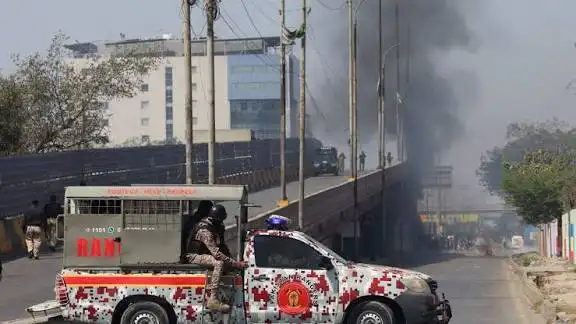
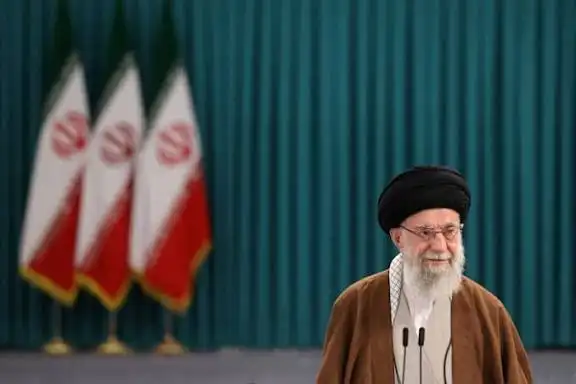
Large demonstrations broke out in Karachi and Baghdad following reports of the death of Iran’s Supreme Leader, with protesters expressing anger over United States and Israeli military actions. The gatherings quickly escalated into confrontations with security forces, underscoring the volatility spreading beyond direct conflict zones and into major urban centers.
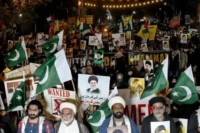
In Karachi, thousands of demonstrators marched through key districts carrying banners and chanting slogans condemning foreign intervention. The protest focused near the United States consulate, where tensions rose as crowds attempted to breach security barriers. Police responded with tear gas and water cannons in an effort to disperse the demonstrators. Officials later confirmed that at least nine people were killed during clashes outside the diplomatic compound, though investigations into the circumstances surrounding the deaths are ongoing.
Authorities in Pakistan said security had been reinforced around sensitive installations, including foreign missions and government buildings. Interior ministry officials urged calm and warned against vandalism and violence. Despite the crackdown, smaller groups of protesters continued to gather in different parts of the city, reflecting deep emotional reactions to developments in Iran.
In Baghdad, similar scenes unfolded as supporters of Iran and allied factions assembled in central areas of the Iraqi capital. Demonstrators waved flags and called for solidarity with Tehran. Security forces established checkpoints and restricted access to certain streets to prevent the unrest from spreading. While the protests in Baghdad were largely contained, officials acknowledged the potential for rapid escalation given the strong political and religious ties between segments of the Iraqi population and Iran.
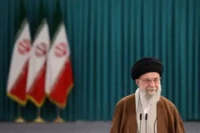
Analysts say the demonstrations reveal how regional alliances and ideological loyalties are shaping public sentiment. The reported death of Iran’s highest authority has resonated beyond its borders, particularly in countries where political movements maintain close connections with Tehran. The unrest also highlights the risks faced by diplomatic missions during periods of heightened geopolitical tension.
Human rights observers have called on authorities to exercise restraint in managing protests, emphasizing the need to protect both public safety and the right to peaceful assembly. At the same time, governments in the region remain concerned that unrest could be exploited by armed groups seeking to widen the conflict.
The violence in Karachi and the mobilization in Baghdad reflect the broader impact of escalating hostilities between Iran, Israel and the United States. As military exchanges continue and political rhetoric intensifies, public reactions across the region are becoming an increasingly significant factor in the evolving crisis.
With emotions running high and diplomatic channels under strain, regional stability faces additional pressure from internal unrest. Security agencies are maintaining heightened alert levels, aware that further developments on the battlefield could quickly ignite new waves of demonstrations in cities far from the front lines.


Leave a comment