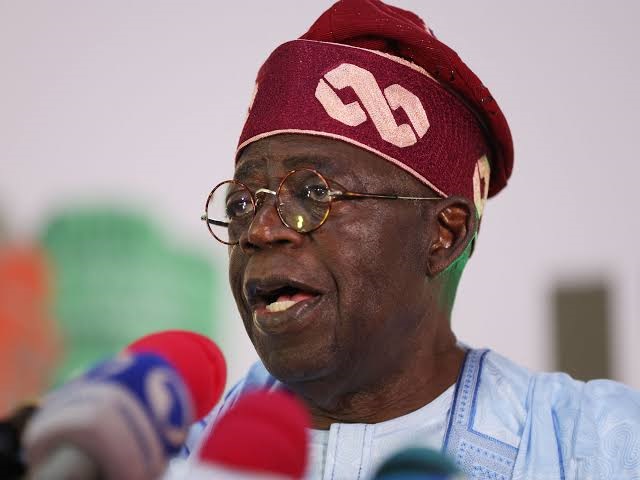
Nigerian President Bola Tinubu formally requested the National Assembly’s approval for an external borrowing plan totaling $21.5 billion. This proposal comprises $21.54 billion, €2.19 billion, and 15 billion Japanese Yen, along with a grant of 65 million. The funds are intended to support Nigeria’s economic reforms, including the removal of fuel subsis and the devaluation of the naira, measures that have led to increased inflation and a cost-of-living crisis.
The borrowing plan outlines three primary financing options:
-
- Issuance of Eurobonds: The government aims to raise a significant portion of the funds through Eurobond sales in the International Capital Market (ICM). This approach is considered efficient and cost-effective, as evidenced by similar issuances by countries like Côte d’Ivoire, Kenya, and Cameroon in 2024.
-
- Sovereign Sukuk: A debut issuance of Sovereign Sukuk worth $500 million is being considered, with credit enhancement from the Islamic Corporation for the Insurance of Investment and Export Credit (ICIEC), a member of the Islamic Development Bank Group.
-
- Bridge Finance/Syndicated Loans: Should Eurobond issuance face delays due to market conditions, the government plans to secure loans from international financial institutions such as Citigroup, Goldman Sachs, and JPMorgan. These loans would be used to offset the Eurobonds once issued.
The proposed funds are earmarked for key projects in sectors such as power, transport, agriculture, and defense. Additionally, a portion of the proceeds is intended to bolster Nigeria’s external reserves by depositing into the Central Bank of Nigeria’s account, thereby ilizing the naira.
This borrowing plan is part of President Tinubu’s broader economic reforms initiated since taking office in 2023. These reforms, including the elimination of fuel subsis and the devaluation of the naira, have aimed to stimulate economic growth but have also resulted in heightened inflation and a severe cost-of-living crisis across Nigeria.
The National Assembly’s approval of this borrowing plan is crucial for the government’s ability to finance its economic initiatives and address the fiscal challenges facing the country.







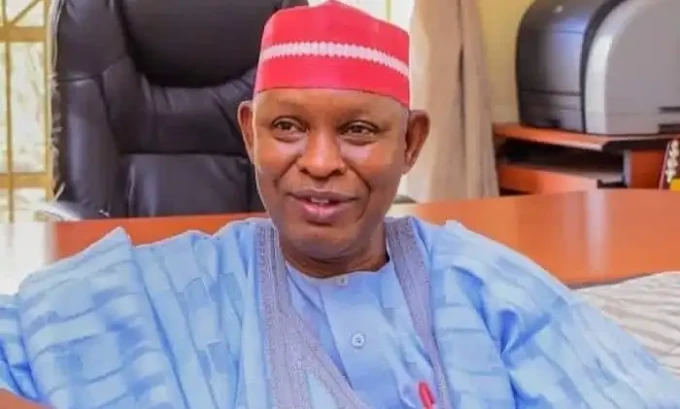



Wow, $21.5 billion external borrowing by President Tinubu? Is this a smart move or a risky gamble? Lets discuss!
Is it really necessary for President Tinubu to seek approval for such a huge external borrowing? Lets discuss!
Wow, $21.5 billion external borrowing? Should we be concerned about the long-term impact on our economy or trust President Tinubus plan?
Shouldnt we be more concerned about the long-term implications of such a massive external borrowing? Lets discuss!
Why is President Tinubu seeking such a huge external borrowing? Is it for the countrys development or to line pockets? Thoughts?
I dont get why Tinubu needs that much money. Cant we find other ways to boost the economy? 🤔