
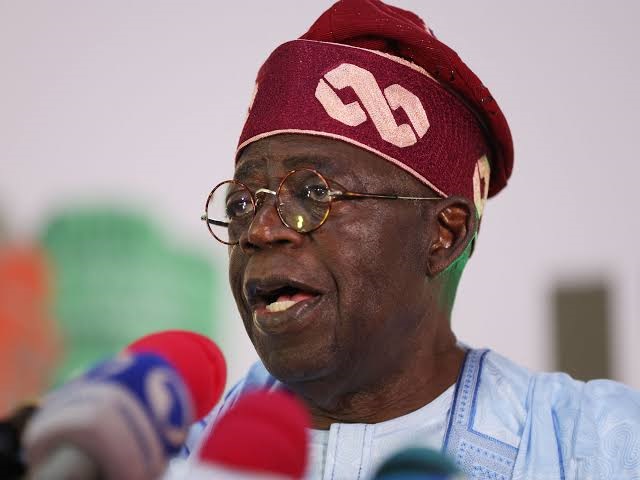
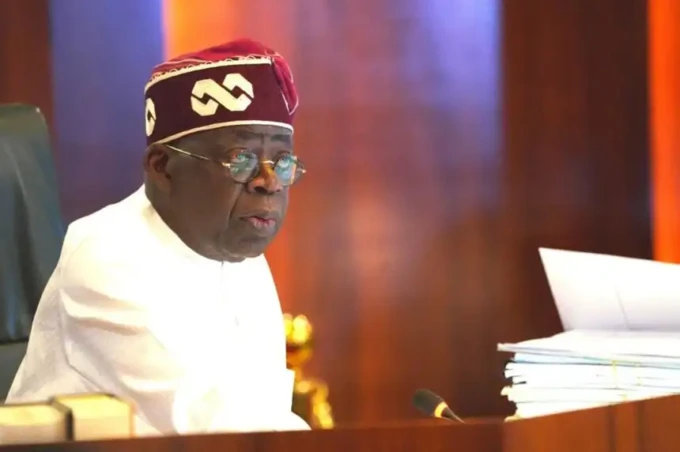
President Bola Tinubu announced that Nigeria is entering a new phase of economic growth, building on reforms implemented during his administration. He noted that despite global economic challenges, Nigeria achieved over 4 percent GDP growth in 2025, thanks to effective fiscal reforms and macroeconomic ilization efforts. Additionally, inflation decreased to below 15 percent, in line with the administration’s goals.
Looking forward, President Tinubu outlined his plans for the Renewed Hope Ward Development Programme, aiming to empower at least 1,000 individuals in each of Nigeria’s 8,809 wards. This initiative seeks to include 10 million Nigerians in productive economic activities, focusing on agriculture, trade, food processing, and mining to stimulate local economies and create jobs.
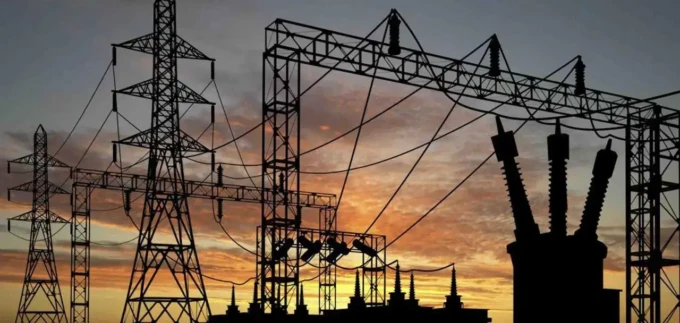
Beyond economic empowerment, the administration is committed to enhancing infrastructure, including roads, power, ports, railways, airports, healthcare, education, and agriculture. These investments aim to improve citizens’ quality of life and bolster food security nationwide.
The President highlighted security and peace as critical components of economic progress and acknowledged the ongoing global economic headwinds. However, he expressed optimism about Nigeria’s trajectory towards sustained growth and called for unity and collective effort to achieve the nation’s economic objectives in 2026.
This focus on inclusive growth and infrastructure development showcases a strategic approach to addressing the diverse needs of Nigerians, fostering a more resilient economy. As the year progresses, the government’s commitment to these initiatives is expected to bring measurable benefits to the nation’s economic landscape.







Im not convinced that President Tinubus prediction will come true. Economic growth is unpredictable, lets wait and see.
Im skeptical about Tinubus economic growth promises. Will it benefit everyone or just the elite? Lets wait and see.
Im skeptical about President Tinubus economic growth promise for 2026. Whats the plan, and can we trust it? Lets see.
Do you think President Tinubus economic growth plan for 2026 is realistic or just another political promise? 🤔
Wow, Im not convinced. Tinubus track record doesnt scream economic guru to me. Anyone else skeptical?