
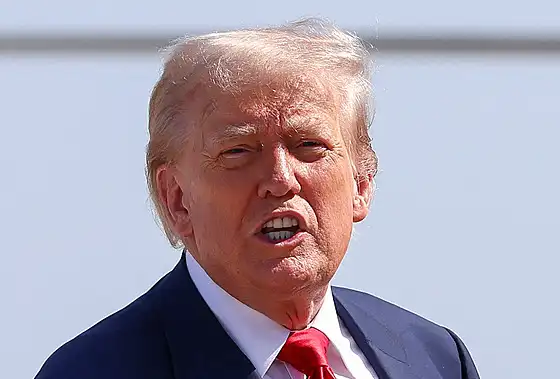
As the Conservative Political Action Conference convened this year in the Dallas suburbs, the absence of former President Donald Trump for the first time in years has prompted one pressing question among attendees: who will lead the Republican Party next?
With Trump skipping the event, Republican stars are stepping out of his shadow. Among them, Vice President JD Vance and Secretary of State Marco Rubio have emerged as the main contenders for a post-Trump Republican Party, with support split among party faithful. Polling suggests Vance holds a national lead, though on the ground in Texas, support appears more evenly divided between him and Rubio.
Vance’s appeal lies in his alignment with Trump’s movement and his personal rags to riches story from Appalachian roots, which resonates with voters seeking continuity and relatability. His supporters cite his communication ss, ideological fluency, and ability to engage diplomatically as key strengths.
Rubio, meanwhile, is viewed as the experienced and steady statesman, particularly on the international stage. Attendees praised his clear vision in foreign policy and his background as the son of immigrants, emphasizing experience and competence over style.
Despite differences, both candidates are evaluated through their connection to Trumpism, reflecting loyalty to the movement rather than a departure from it. This dynamic leaves limited space for alternative figures to gain traction, though some attendees floated names like Florida Governor Ron DeSantis or even speculated on a potential Trump return despite constitutional limits.
As activists and voters begin considering successors, the central tension at the conference underscores that while the Trump era may be ending, his influence remains a defining factor in the race for the Republican Party’s future leadership.



Leave a comment