
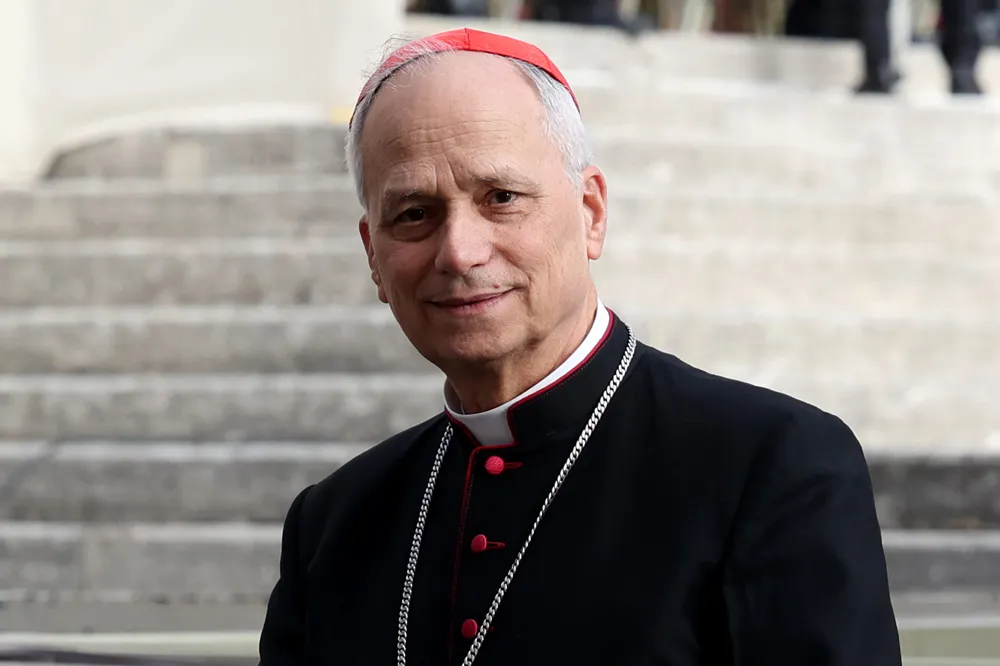
Pope Leo XIV has strongly criticised the growing divide between the rich and the poor during a historic visit to Monaco, describing widening inequality as a threat to justice and global peace.
Arriving by helicopter from Rome, the pontiff was welcomed by Prince Albert II and Princess Charlene at Monte Carlo’s heliport. His visit marks the first western European trip of his papacy, drawing global attention to the tiny but wealthy principality on the French Riviera.
Speaking from the balcony of the Prince’s Palace, Pope Leo warned against what he described as unjust systems that deepen divisions between privileged and marginalised groups. He stressed that wealth must serve law and justice, particularly at a time when global conflicts and displays of power continue to deilise peace.
The visit was marked by celebration across Monaco, with church bells ringing and crowds gathering in large numbers. Streets were decorated in the national colours, while many residents expressed pride and emotion at hosting the Catholic leader.
During his visit, the pope was scheduled to meet members of the Catholic community at the Cathedral of the Immaculate Conception and later hold an open air mass at the Louis II Stadium, expected to draw thousands of worshippers.
Beyond addressing inequality, Pope Leo is also set to speak on environmental protection, a cause strongly supported by Prince Albert, as well as broader themes such as peace, unity, and the protection of life. His message comes at a time of ongoing global tensions, particularly in the Middle East, which continue to impact international ility.
Monaco, where Catholicism remains the state religion, holds longstanding ties with the Vatican. Despite its reputation as a hub for wealth and luxury, the pope’s message highlighted the importance of compassion and shared humanity across all social classes.
The visit is being seen as both symbolic and strategic, reinforcing calls for solidarity and moral responsibility in an increasingly divided world.







Leave a comment