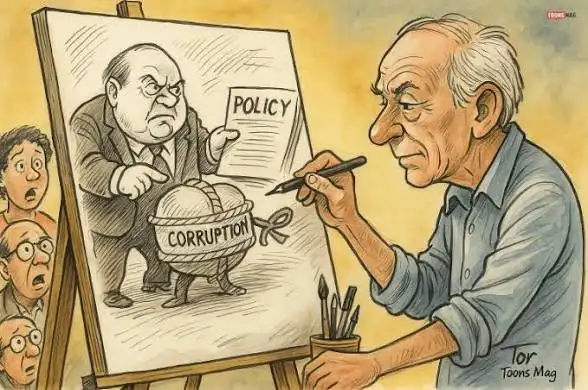
Political satire and media commentary are increasingly reflecting the intensity of global tensions, offering insight into public sentiment during a period marked by geopolitical uncertainty. Comedians, writers, and analysts are using humor and critique to interpret complex developments, transforming serious issues into accessible narratives that resonate with aunces across different regions and cultural contexts in today’s rapidly shifting information environment.
Across digital platforms and traditional media, satirical content has surged in response to ongoing political developments. Late night programs, online creators, and editorial cartoonists are engaging with themes related to leadership decisions, international relations, and economic pressures. This growing body of work highlights how satire functions as both entertainment and a form of public discourse in times of heightened awareness.
Media analysts suggest that satire provides a unique lens through which aunces can process complicated or distressing news. By blending humor with critical observation, creators help demystify policy decisions and geopolitical strategies. This approach allows viewers to engage with information in a way that feels less overwhelming, while still encouraging reflection on the broader implications of current events worldwide.
At the same time, commentary from journalists and opinion writers continues to shape public understanding of global developments. Editorials and analysis pieces often complement satirical interpretations by providing context and deeper examination. Together, these forms of expression contribute to a dynamic media landscape where information and interpretation intersect to influence how events are perceived and discussed.
However, the rise of satire in politically sensitive contexts has also raised questions about its potential impact. Critics argue that humor can sometimes oversimplify complex issues or contribute to misinformation if aunces fail to distinguish between fact and interpretation. As a result, media literacy is increasingly emphasized as an essential s for navigating diverse sources of content effectively.
Social media platforms have amplified the reach of satirical and commentary driven content, enabling rapid dissemination across global aunces. This accessibility has allowed voices from different backgrounds to participate in discussions, enriching perspectives but also intensifying debates. The speed at which content spreads underscores the importance of responsible communication in a highly connected digital ecosystem.
As global tensions continue to evolve, political satire and media commentary are likely to remain influential in shaping public dialogue. Their role in reflecting societal concerns, questioning authority, and fostering engagement ensures their continued relevance. Observers note that these forms of expression will remain closely tied to the broader political climate, offering insight into how societies interpret and respond to unfolding events.









Leave a comment