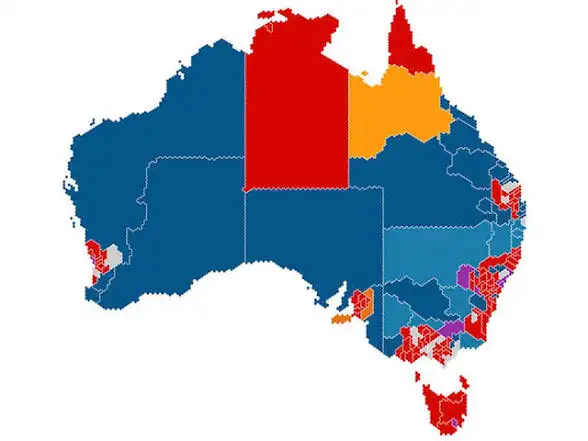
Political leaders across South Australia responded to decisive election outcomes that reshaped the state parliament and prompted immediate leadership consultations. Party officials acknowledged the scale of the mandate while outlining priorities for governance transitions. Electoral authorities confirmed high voter participation and orderly procedures across metropolitan and regional districts throughout the polling process.
The returning administration signaled an agenda focused on economic management, public services delivery, and infrastructure planning. Senior figures emphasized collaboration with local councils and industry groups to accelerate project pipelines. Policy teams began drafting legislative schedules while cabinet deliberations considered portfolio allocations and committee structures for the upcoming parliamentary term.
Opposition representatives conceded results and pledged constructive scrutiny of government proposals. Spokespersons highlighted commitments to accountability, fiscal oversight, and community engagement. Internal reviews commenced to assess campaign strategy, messaging, and candidate outreach as parties recalibrated platforms in response to shifting voter preferences across diverse constituencies statewide.
Business associations welcomed clarity following the vote, citing investment certainty and regulatory continuity. Sector leaders requested early consultation on workforce development, energy planning, and transport modernization. Financial analysts noted measured market responses while emphasizing medium term indicators tied to budget settings and procurement timelines across major public works initiatives.
Civil society organizations called for inclusive policy processes and transparent decision making. Advocacy groups urged attention to housing affordability, healthcare access, and environmental stewardship. Universities and research institutes proposed partnerships to support evidence based programs and innovation ecosystems aligned with regional development objectives and social equity considerations.
Electoral commissions published preliminary statistics covering turnout, ballot distribution, and preference flows. Data teams prepared detailed reports to inform academic study and institutional learning. Observers commended administrative efficiency and compliance with elished standards that underpin confidence in democratic processes and public trust across the state.
Incoming leaders reiterated commitments to community dialogue and responsible governance as transition teams coordinated briefings with public service departments. Timelines for swearing in ceremonies and legislative sessions were outlined pending final confirmations. Residents were encouraged to engage through formal consultations as policy priorities advance in the new parliamentary cycle.













Leave a comment