
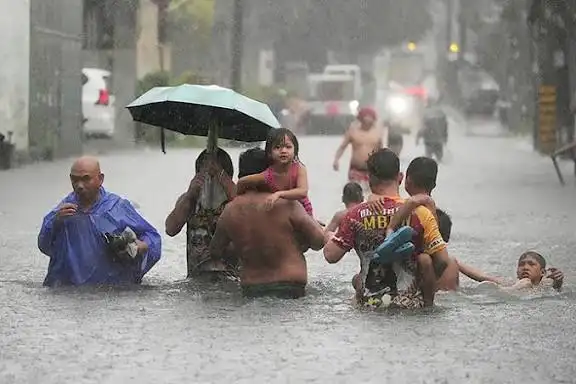
The Philippine government announced additional measures to reinforce disaster preparedness and emergency response capabilities as climate and geophysical risks continue to challenge the archipelago. Authorities in Manila outlined plans to strengthen early warning infrastructure, expand community training initiatives and upgrade coordination between national and local disaster management agencies.
Officials reported improvements in flood forecasting technology and coastal monitoring systems aimed at reducing casualties during typhoon season. The government also confirmed increased funding for evacuation centers, emergency supply stockpiles and communication networks designed to function during severe weather events. Disaster response authorities stated that local government units are being directed to complete updated hazard mapping assessments to guide urban planning and reduce exposure to high risk zones.
Policy planners emphasized that disaster resilience requires sustained investment in infrastructure reinforcement, particularly in transport, health and energy systems vulnerable to extreme weather conditions. International development partners are supporting technical capacity building and resilience financing efforts, including climate risk assessment programs.
Community based awareness campaigns have been expanded to ensure that residents understand evacuation procedures and emergency protocols. Officials stated that while previous reforms have strengthened response capacity, continued vigilance is necessary given the frequency of storms and seismic activity affecting the country.
The measures reflect the government’s broader commitment to long term resilience and proactive risk reduction to protect lives, economic productivity and public safety across the Philippines.









Leave a comment