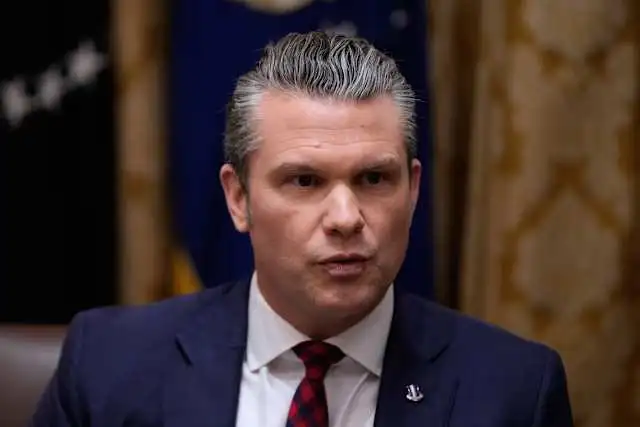
A recent report by the Pentagon Inspector General criticized Defense Secretary Pete Hegseth for using the Signal messaging app to share sensitive information regarding a military operation against Houthi militants in Yemen. The report warned that Hegseth’s actions jeopardized U.S. personnel and missions, posing risks to operational security, which could lead to failed mission objectives and potential harm to American pilots.
Hegseth, who has the authority to declassify information, transmitted operational details via his personal device, which was deemed unauthorized for official communications. Although the report did not find evidence of improper declassification, it noted that Hegseth failed to retain all related messages, violating federal record-keeping laws. The controversy escalated when journalist Jeffrey Goldberg was accidentally included in a Signal group chat among Hegseth and other top officials, leading to the revelation of sensitive operational details.
In response, Hegseth’s spokesperson claimed the investigation amounted to a “TOTAL exoneration,” stressing no classified information was disclosed. This assertion, however, contradicts the Inspector General’s findings, which highlighted serious lapses in security protocols. Lawmakers, including Senator Jack Reed, expressed concern over Hegseth’s conduct, emphasizing that he had violated Department of Defense policies by sharing classified information, including specific strike timings and locations that could have endangered American pilots if intercepted.
The report also called for U.S. Central Command to reevaluate its classification procedures to ensure sensitive information is handled securely. This incident underscores the importance of strict adherence to security protocols when dealing with classified military information, particularly in today’s digital landscape where unauthorized disclosures can have far-reaching repercussions.











Wow, can you believe Hegseth endangered US personnel with signal usage? What a reckless move! Should he face consequences?
Wow, can you believe Hegseths actions? Endangering US personnel with signal usage is unacceptable. Whats your take on this?
Wow, can you believe the Pentagon Inspector General called out Hegseth for endangering US personnel with signal usage? Talk about a reckless move!
Wow, can you believe Hegseth endangered US personnel with signal usage? Thats some serious negligence. Whats your take on this?
Wow, can you believe Hegseth endangered US personnel with his signal usage? Thats messed up, he needs to be held accountable!