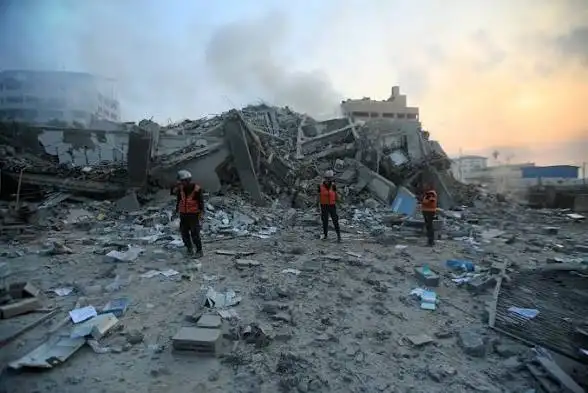
Civilian casualties are rising across Palestinian areas as violence spills beyond primary front lines, straining hospitals and emergency networks. Local officials report surging admissions, shortages of medical supplies, and power constraints affecting critical care. Families seek shelter in schools and community centers while responders coordinate evacuations from densely populated neighborhoods under persistent security pressures across the territory today.
Medical teams in Gaza and the West Bank describe overwhelming caseloads and triage decisions shaped by limited resources. Ambulances navigate damaged roads as volunteers organize blood drives and supply distribution. Health administrators request fuel for generators and expedited corridors for aid, warning that service disruptions could worsen outcomes for vulnerable patients and displaced families seeking urgent assistance now daily.
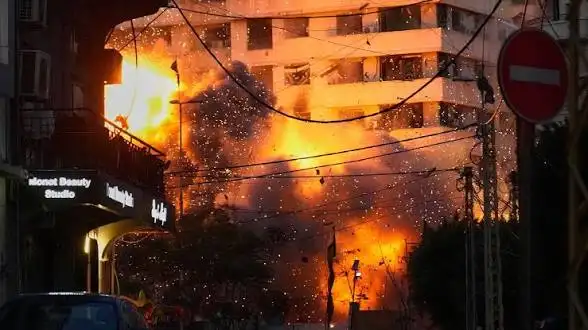
Authorities in Palestinian territories say casualty figures continue climbing as assessments expand, while Israel states operations target security objectives. Residents report damage to housing and utilities, complicating access to water and sanitation. Independent verification remains constrained by access limits and communications outages, leaving humanitarian monitors to compile incident records through field networks and remote sensing tools for accountability efforts.
Representatives from the United Nations urged immediate civilian protections and expanded humanitarian access. Agencies coordinated medical shipments, shelter materials, and psychosocial support services. Relief coordinators emphasized safe passage guarantees and deconfliction arrangements to reduce exposure risks. Funding appeals highlighted rising needs as displacement strains host communities and essential service systems across multiple districts and camps regionwide today urgently requested.
Economic effects ripple through local markets as businesses close and workers lose income. Supply chains for food and medicine face delays tied to movement restrictions and infrastructure damage. Aid groups expand cash assistance and vouchers to ilize household purchasing power. Economists warn prolonged disruption could deepen poverty and hinder recovery prospects without sustained support and access improvements soon.
Diplomatic efforts intensify as regional mediators pursue ceasefire pathways and humanitarian pauses. Envoys engage stakeholders through backchannels and multilateral forums to reduce hostilities and facilitate aid delivery. Policy institutes recommend confidence building steps including notification systems and monitoring missions. Observers say sustained dialogue remains essential for civilian protection and de escalation momentum across affected areas and communities alike.
Community leaders call for accountability, reconstruction planning, and protection of essential services. Education providers prepare temporary learning spaces while utilities reinforce backup systems. Data teams compile needs assessments to guide resource allocation and equitable assistance. Analysts conclude that durable relief depends on access, funding, and credible processes that prioritize civilians and restore livelihoods over the long term sustainably.






Leave a comment