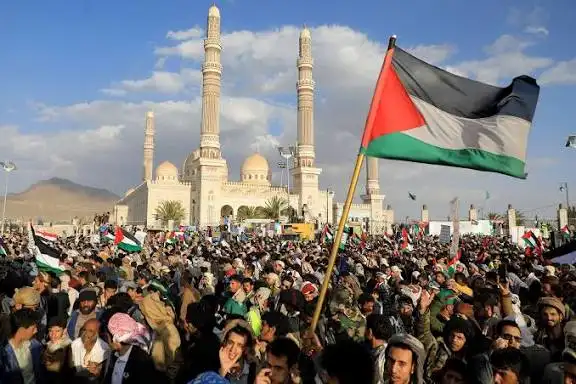
Online movements across major social media platforms have amplified international debate surrounding the escalating Middle East conflict, with digital campaigns shaping public discourse and influencing political narratives in real time.
Hashtags related to civilian safety, military accountability, and ceasefire appeals have trended globally, reflecting widespread public engagement. Activists, journalists, and political figures have used online channels to share footage, personal testimonies, and commentary, contributing to rapidly evolving narratives about the conflict.
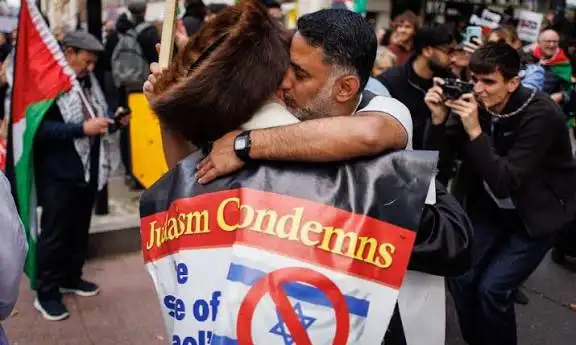
Digital advocacy groups have organized coordinated campaigns urging governments to pursue diplomatic solutions. Online petitions calling for immediate de escalation have gathered hundreds of thousands of signatures within hours, while livestreamed discussions have attracted global audiences. Analysts say the speed and scale of digital mobilization demonstrate the central role of social media in contemporary geopolitical crises.
However, the surge in online engagement has also raised concerns about misinformation. Fact checking organizations reported a spike in unverified claims and manipulated images circulating across platforms. Experts warn that the rapid spread of inaccurate content can inflame tensions and complicate diplomatic efforts.
Technology companies have stated that they are monitoring content to prevent the amplification of harmful misinformation while maintaining space for legitimate political expression. Civil liberties advocates caution that moderation policies must balance safety with freedom of speech.
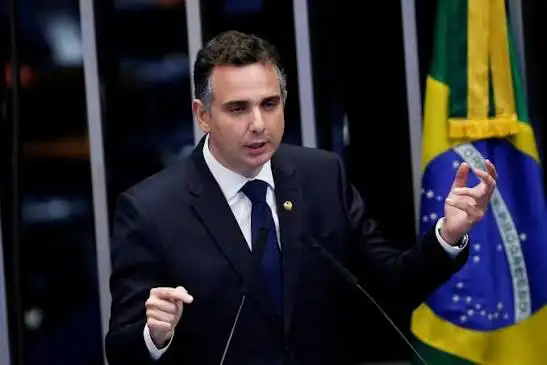
Governments are also paying close attention to online trends. Officials in several countries acknowledged that public sentiment expressed through digital platforms can influence domestic political debates and foreign policy positioning. Lawmakers referenced social media discourse during parliamentary sessions addressing the crisis.
Human rights organizations emphasized that online attention can help highlight civilian suffering and mobilize humanitarian support. Donations to relief agencies increased following viral campaigns drawing attention to displacement and infrastructure damage.
Scholars note that digital activism can both inform and polarize. While online platforms provide unprecedented visibility for affected communities, they can also deepen divisions through echo chambers and emotionally charged messaging.
As hostilities continue, online spaces are likely to remain central arenas for advocacy, debate, and information sharing, shaping how the global public understands and responds to unfolding events.







Leave a comment