
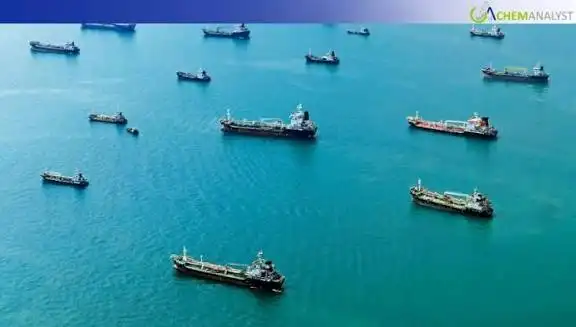
Shipping activity through the Strait of Hormuz has declined significantly as regional tensions continue to create uncertainty for commercial maritime operations. The narrow waterway, which serves as one of the most important energy transport corridors in the world, is experiencing a sharp reduction in tanker movements as ship operators and energy companies reassess safety conditions. Industry tracking data indicates that many vessels scheduled to move through the passage have either delayed their journeys or sought alternative logistical arrangements while the security environment remains unpredictable.
The Strait of Hormuz connects the Persian Gulf with global shipping routes and plays a central role in transporting crude oil and liquefied natural gas from major producers in the Middle East to international markets. A substantial portion of the world’s oil exports passes through the corridor every day, making any disruption to tanker movement a significant concern for energy markets and global trade. Shipping companies have become increasingly cautious in recent days, with several firms instructing captains to wait for clearer guidance from maritime authorities and insurers before entering the waterway.
Maritime analysts say the slowdown in tanker traffic reflects growing anxiety within the shipping sector. Vessel operators face complex decisions when navigating regions affected by geopolitical tensions. Insurance premiums for ships traveling through the area have risen as risk assessments shift, and some companies are reluctant to expose crews and cargo to potential hazards. This cautious approach has contributed to a buildup of vessels waiting outside the strait while industry leaders closely monitor the evolving situation.
Energy markets are also responding to the reduced tanker flow. Traders and analysts note that even temporary delays in oil shipments can tighten supply conditions and influence global pricing. As a result, commodity markets have reacted with heightened volatility while governments and major energy consumers evaluate contingency plans to ensure adequate supplies. Some countries are reviewing strategic reserves and discussing coordination with international partners should disruptions continue.
Experts emphasize that the Strait of Hormuz has experienced periods of tension before, but its importance to the global energy system means that any sustained reduction in tanker traffic carries broader economic implications. Shipping authorities and naval forces operating in the region are working to maintain safe navigation conditions and reassure commercial operators. However, the pace at which tanker movements return to normal levels will likely depend on how quickly regional tensions ease and confidence among shipping companies improves.











Leave a comment