
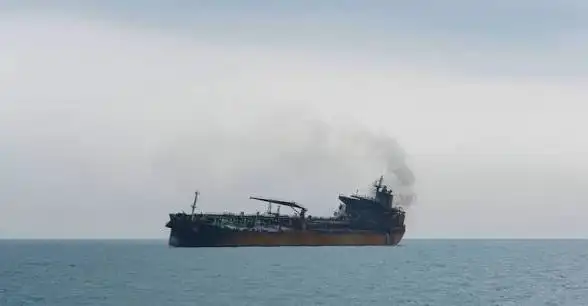
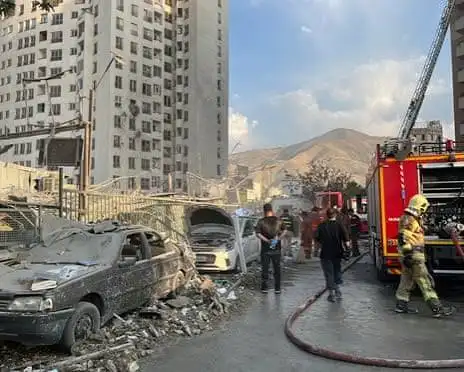
Global energy markets are grappling with a severe supply disruption described by analysts as one of the largest in modern history, as escalating tensions in the Middle East continue to affect production and transportation routes. Industry experts warn that the scale of the interruption could have far reaching consequences for economies, supply chains, and energy security worldwide in coming months.
The disruption has been closely linked to developments around the Strait of Hormuz, a critical maritime passage through which a significant portion of the world’s oil supply flows. Any restriction in this corridor immediately reduces available supply, creating ripple effects across global markets and raising concerns about sustained shortages and long term pricing volatility.
Energy analysts have pointed to reduced output levels and logistical challenges as key contributors to the current situation. Shipping delays, insurance costs, and rerouting efforts have compounded the strain on supply chains. As a result, refiners and distributors are facing increasing difficulty in maintaining steady operations, leading to heightened uncertainty among consumers and businesses dependent on le energy access.
Financial markets have responded sharply, with oil prices climbing as traders react to the evolving crisis. The surge reflects expectations of prolonged supply constraints and increased risk premiums. Economists caution that sustained high prices could slow global growth, increase inflationary pressure, and place additional burdens on countries that rely heavily on imported energy resources for their development and industrial activity.
Governments around the world are evaluating emergency measures to mitigate the impact, including the potential release of strategic reserves. Policymakers are also considering coordinated responses to ilize markets and reassure investors. However, experts note that such measures may provide only temporary relief if underlying supply disruptions persist without a broader resolution to regional tensions.
The situation has also drawn attention from international organizations such as the International Energy Agency, which has warned of significant risks to energy security. The agency has called for cooperation among producing and consuming nations to address imbalances and prevent further deterioration in market conditions during this critical period of uncertainty.
As the crisis unfolds, analysts emphasize the importance of diplomatic engagement to restore ility and ensure the continuity of global energy flows. Without meaningful progress, the disruption could reshape energy markets for years to come, influencing investment decisions, policy directions, and the broader trajectory of the global economy amid ongoing geopolitical challenges.







Leave a comment