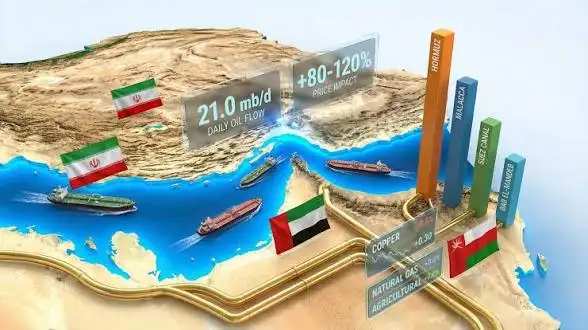
Fears about global oil supply have intensified as tensions surrounding the Strait of Hormuz raise concerns among governments, energy producers, and financial markets. The narrow maritime corridor carries a large share of the world’s crude oil shipments, making it one of the most strategically important trade routes in the global energy system. As the regional confrontation involving Iran continues, analysts warn that any serious disruption to traffic through the waterway could quickly affect fuel availability and economic conditions in many parts of the world.
Energy markets have reacted cautiously as shipping companies and oil traders assess the risks connected to the unfolding crisis. Even limited tension in the waterway can influence global prices because of the heavy volume of crude that passes through the route each day. Major producers in the Gulf depend on the passage to reach customers in Asia, Europe, and other markets, meaning that uncertainty surrounding maritime security has become a major factor shaping investor sentiment.
Governments that rely heavily on imported energy are closely monitoring developments in the Gulf region. Officials in several countries have begun reviewing contingency plans designed to protect supply chains and reduce the impact of possible disruptions. These plans include coordination with strategic petroleum reserves and diplomatic engagement with producers that may be able to increase output if needed. Energy economists note that markets tend to react quickly to perceived risk even before physical supply is affected.
Shipping companies have also begun to reassess the safety of routes that pass through the Gulf and surrounding waters. Insurance costs for tankers traveling through high risk areas often increase during periods of geopolitical tension, which can raise transportation costs and influence global fuel prices. Maritime security experts emphasize that the safe movement of vessels in the region depends on cooperation among naval forces, regional governments, and international organizations responsible for protecting commercial shipping.
Despite the uncertainty, some analysts believe the global energy system still retains a degree of resilience. Strategic reserves held by major economies, along with production capacity in several oil producing countries, could help cushion the market from short term disruption. However, experts caution that prolonged tension affecting the Strait of Hormuz would present a significant challenge for the global economy. As diplomatic efforts continue and security measures expand, the world’s energy markets remain focused on the evolving situation in one of the most critical corridors for international oil transport.









Leave a comment