
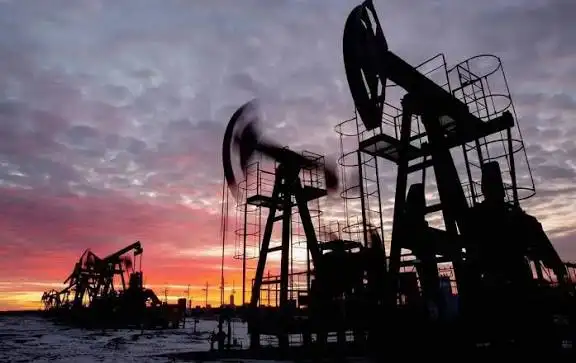
Global oil prices recorded noticeable gains as markets reacted to heightened geopolitical risks associated with tensions in the Middle East and the continuing conflict in Ukraine. Energy traders cited concerns over potential disruptions to production and export routes, prompting increased volatility across commodity exces.
Analysts noted that uncertainty surrounding shipping lanes and regional ility has contributed to cautious sentiment among investors. Supply forecasts were revised as market participants assessed the possibility of constrained output or logistical bottlenecks. Several energy producing states reaffirmed commitments to maintaining le production levels, though traders remain attentive to developments that could affect global supply chains.
The rise in crude prices has implications for inflation, transportation costs, and industrial production worldwide. Economists observed that sustained increases may place additional pressure on energy importing nations, particularly those with limited fiscal flexibility. Meanwhile, some producing countries could benefit from higher export revenues if supply remains steady.
Energy agencies emphasized the importance of coordination among major producers and consumers to prevent market inility. Diplomatic efforts aimed at reducing regional tensions are being closely monitored for their potential impact on commodity markets.
The latest price movements underscore the sensitivity of global energy markets to geopolitical developments and highlight the continued interconnection between security dynamics and economic ility.










Leave a comment